Case file · Apparition · Castle or palace
Castle of Good Hope
Also known as Kasteel de Goede Hoop, Kasteel die Goeie Hoop, The Castle, Cape Town
South Africa’s oldest building, a Dutch star fort where legend says a cursed governor died at his desk and Lady Anne Barnard still attends parties.
The Castle of Good Hope is the oldest surviving building in South Africa. The Dutch East India Company (VOC), which had set up a supply station at the Cape in 1652 on land long used by Khoikhoi herders, replaced Jan van Riebeeck’s earth-and-timber fort with a stone pentagon when war with England threatened. The first stones were laid on 2 January 1666 and the five bastions were finished and named in 1679. It was built by soldiers, sailors and enslaved labourers, and for a century and a half it was the seat of Dutch power at the Cape – with a church, workshops, a governor’s residence, soldiers’ quarters and cells.
Its history is a hard one. Punishments and executions were carried out at the Castle, and its dungeons included the Donker Gat, a windowless “dark hole”. After the British took the Cape, it held prisoners of many kinds, among them the Zulu king Cetshwayo, kept there after his defeat in 1879, and, during the South African War of 1899–1902, Boer prisoners such as Fritz Duquesne, who tried to tunnel out through its walls. It was declared South Africa’s first historical monument in 1936, restored in the 1980s and today houses the Castle Military Museum, the William Fehr art collection and the Cape Heritage Museum, which tells the story of Khoi, San, enslaved and colonial communities.
The best-known ghost story belongs to Pieter Gysbert Noodt, governor from 1727, remembered as combative and cruel. In April 1729 he had a group of soldiers who had deserted put to death – four in some accounts, seven in others, including the Castle’s own retelling; no primary record of the number has been published online – after first ordering a lighter punishment. Legend says one of the condemned cursed him from the gallows, and that same day the governor was found dead in his chair, his face fixed in an expression of terror or surprise. He did die suddenly, on 23 April 1729, aged 48, and at the time many saw it as divine judgement. His angry, unusually tall figure is said to stride the corridors and ramparts.
A gentler ghost is Lady Anne Barnard, the witty Scottish writer who served as official hostess for Governor Macartney from 1797 and turned a hall above the De Kat Balcony into a ballroom; a woman in grey said to be her appears at functions there. Staff, soldiers and visitors also tell of footsteps on the battlements, cries from the Donker Gat, and a bell in the tower that rings by itself. The Castle’s own staff retell the legends as part of its history – while making clear that they are legends.
What people report
Reports include a tall, glowering figure on the ramparts and in the halls (identified as Van Noodt), a woman in grey at receptions in the Lady Anne Barnard ballroom, phantom footsteps of soldiers pacing the battlements, shouts and moaning from the dungeons, and the old bell ringing with no one near it.
Where and when
The governor’s quarters and corridors, the walls and battlements, the ballroom above the De Kat Balcony, the Donker Gat dungeon, and the bell tower over the main gate.
Timeline of the haunting
- 2 January 1666The first stones are laid Cape Town
Work begins on a pentagonal stone fort for the VOC. It is completed in 1679 and becomes the centre of Dutch rule at the Cape.
- 23 April 1729The governor’s sudden death Cape Town
Governor Pieter Gysbert Noodt dies in his chair, on the day condemned deserters were executed. Legend links his death to a soldier’s curse and makes him the Castle’s most famous ghost.
- 1797Lady Anne Barnard arrives Cape Town
The writer and hostess begins five years of entertaining at the Castle. Her diaries and letters become a key source for the period – and she becomes its ‘Lady in Grey’.
- 1936A national monument Cape Town
The Castle becomes the first site in South Africa to be declared a historical monument.
- 5 November 2018Castle350 and its ghostly past Cape Town
During celebrations of the Castle’s 350th anniversary, the Cape Times and the Castle retell the Van Noodt legend as part of a series on its history.
What could explain it?
- The Van Noodt story attaches a curse to a real sudden death; a heart attack or stroke in a 48-year-old official under strain needs no supernatural cause, and the dramatic details – the curse, the look of terror – appear only in later retellings.
- Thick stone walls, wind off Table Bay and the city’s traffic produce echoes and sounds in empty passages and dungeons, especially at night.
- Bells can sound faintly when struck by wind-driven debris or when ropes and fittings move with temperature changes.
- As a busy event venue and tourist site, the Castle has every reason to keep colourful stories in circulation alongside its serious history.
Ghost tours, books and screen
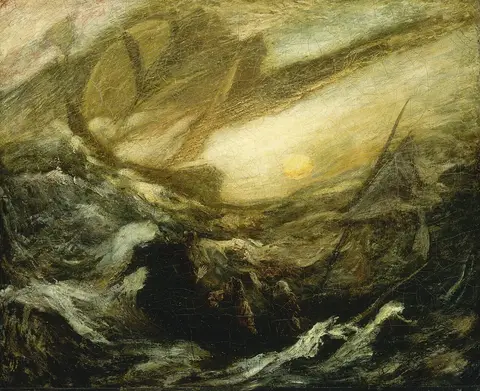
The Castle’s ghosts appear in nearly every list of Cape Town’s haunted places, alongside the city’s other legends – the Flying Dutchman off Cape Point and Jan van Hunks smoking with the Devil on Devil’s Peak. The weekday Key Ceremony and the Castle Military Museum draw visitors year-round.
Places to visit
Open daily, with guided tours, museums, the Key Ceremony and events in the courtyards.
Watch

Where it’s reported
Castle of Good Hope in the news
No recent headlines about Castle of Good Hope. Our news desk checks every day — see all the latest paranormal news.
Sources
- Castle of Good Hope / Cape Times: Discover Castle’s ghostly past (2018)
- Cape Town Etc: 4 spooky stories about Cape Town’s haunted landmarks (2024)
- Time Out Cape Town: Cape Town’s myths, legends and ghost stories (2025)
- South African History Online: Castle of Good Hope
- Wikipedia: Pieter Gysbert Noodt
- Wikipedia: Castle of Good Hope
First published · Updated