Case file · Apparition · House or mansion
Glensheen Mansion
Also known as Glensheen Historic Estate, Congdon Estate
A 1908 Lake Superior mansion in Duluth, scene of the 1977 murders of heiress Elisabeth Congdon and her nurse, where visitors report women at the windows.
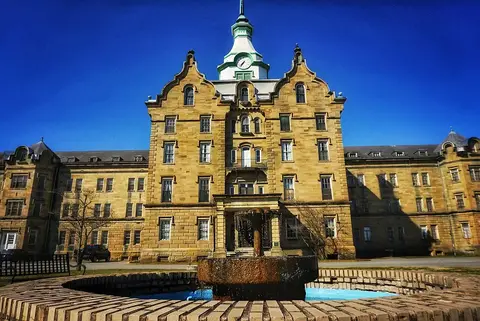
Glensheen is a Jacobean-style mansion on the shore of Lake Superior built between 1905 and 1908 for Chester Adgate Congdon, a mining millionaire, and his wife Clara. Architect Clarence H. Johnston Sr. designed the house, and the interiors came from the William A. French company of St. Paul; the project reportedly cost about $854,000. The estate included gardens, a boathouse and a carriage house, and it was the family home until Chester’s death in 1916; Clara lived there until 1950.
The Congdons’ youngest daughter, Elisabeth, inherited the estate. In 1968 she donated it to the University of Minnesota Duluth while keeping the right to live there for the rest of her life. On 27 June 1977, the elderly Elisabeth and her night nurse, Velma Pietila, were killed in the house in a case that shocked Minnesota. Elisabeth’s adopted daughter, Marjorie, and her husband Roger Caldwell were charged. Caldwell was convicted, had the verdict overturned in 1982, and later pleaded guilty at a retrial; Marjorie was acquitted of the charges against her but later served time for arson. The trials, moved out of Duluth (Caldwell’s to Brainerd), drew national press.
The house opened as a museum in 1979 and was added to the National Register of Historic Places in 1991. Glensheen’s staff have been deliberate about the crime. According to the American Alliance of Museums, they declined suggestions to run murder-mystery events and tours because many relatives of the victims are still alive and they judged that any marketing built on the tragedy would be short-sighted; Dread Central reported in 2009 that guides were told not to discuss the murders or hauntings. Its popular flashlight tours, including a 21-and-over version, are the nearest it comes to the ghost lore.
That lore is told mainly by staff and visitors in magazines and ghost sites. They speak of the two women walking the halls or standing in upstairs windows looking toward the lake, shadowy figures gliding through the corridors and basement, lights flicking on and off, and a feeling of unease or sadness where the victims died. One account mentions a piece of candy rolling across a dresser. Reports are said to be strongest around the anniversary in late June. No witness is named in most published versions, and none has been independently investigated. It is worth remembering that Elisabeth Congdon and Velma Pietila were real people with surviving family, and their deaths remain the heart of the story.
What people report
Apparitions of two women in the halls and upstairs windows, shadow figures in the corridors and basement, lights that switch on and off, a sense of being watched, and heavy sadness near the site of the 1977 killings. Reports come from employees and visitors and are anecdotal.
Where and when
The upstairs bedrooms and stairwell area, windows facing Lake Superior, the basement and hallways; activity is said to peak in late June near the anniversary.
Timeline of the haunting
- 1908Mansion completed Duluth, Minnesota
The Congdon family’s Lake Superior estate was finished after three years of construction.
- 1968Gift to the university Duluth, Minnesota
Elisabeth Congdon donated the estate to the University of Minnesota Duluth while retaining a life estate.
- 27 June 1977Murders of Elisabeth Congdon and Velma Pietila Duluth, Minnesota
The heiress and her nurse were killed in the house; the trial of Roger Caldwell and Marjorie Congdon Caldwell followed and drew national attention.
- 1979Opens as a museum Duluth, Minnesota
The estate opened to the public two years after the killings.
- 2009Ghost reports published Duluth, Minnesota
A national horror site summarised more than thirty years of employee and visitor stories of apparitions and cold feelings.
What could explain it?
- Knowledge of a violent death in the house shapes how visitors read ordinary experiences; the building’s dim, large rooms, polished surfaces and lake light create reflections and figures in windows.
- A mansion more than a century old with many windows and long corridors produces draughts, creaks and flickering lights from wiring or weather.
- The stories are told without named witnesses, and the estate’s own policy of not commercializing the crime means the ghost lore comes from outside commentary rather than from the museum’s records.
- The “women at the window” tales may derive from tour guides and staff in period spaces, where reflections of visitors in glass are easily mistaken for figures.
Ghost tours, books and screen
The 1977 case drew national press coverage and still shapes how Duluth remembers the estate. The museum runs seasonal flashlight tours, and Glensheen appears in lists of Minnesota’s most haunted places.
Places to visit
University-run historic house museum with guided tours, gardens and seasonal flashlight tours.
Where it’s reported
Sources
First published · Updated