Case file · Apparition · Hospital or asylum
La Planchada
Also known as The Ironed Nurse, Eulalia, La Enfermera Fantasma, The Ghost Nurse of Hospital Juárez
Mexico’s ghost nurse: a woman in a perfectly pressed uniform said to care for patients at Hospital Juárez and other hospitals when no staff are near.
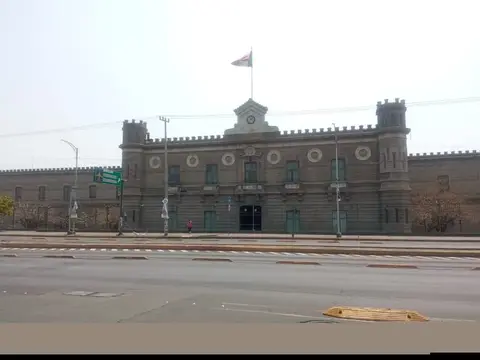
Hospital Juárez is one of the oldest public hospitals in Mexico City. It was founded in August 1847, during the US invasion, as the Hospital de San Pablo, set up in a former Augustinian college to treat the wounded; Sisters of Charity ran its wards for decades. In 1872, after the death of President Benito Juárez, it was renamed in his honour. It treated casualties of every crisis that followed, from the French intervention to the Decena Trágica of 1913, and in the earthquake of 19 September 1985 one of its buildings collapsed with heavy loss of life among patients, doctors, nurses and students. A new Hospital Juárez de México opened in the north of the city in 1989; the historic site in La Merced was rebuilt as the Hospital Juárez del Centro.
The hospital is also home to Mexico’s best-known hospital ghost. La Planchada – “the ironed one” – is a nurse in a spotless, perfectly pressed white uniform who appears at night beside the beds of the very sick, adjusts their sheets, gives them their medicine or simply sits with them, and is gone when a real nurse arrives. Patients ask staff to thank the kind nurse who looked after them, only to be told no one by that description works on the ward.
In the usual telling she was Eulalia, a nurse at the hospital in the early 20th century, so meticulous about her uniform that colleagues gave her the nickname. She fell in love with a young doctor – often called Joaquín – who promised to marry her, then left to marry another woman. Heartbroken, she neglected her work and her own health, and died in the hospital; her spirit returns to make amends by caring for the patients she once let down. Some versions make her stern rather than gentle, frightening doctors or appearing as a warning of death.
Most retellings place the first stories of a ghost nurse somewhere between the 1930s and the 1950s, but the legend lived by word of mouth and no early written account of it has been traced. The story has since spread far beyond one hospital: La Planchada is reported in hospitals across Mexico, from children’s hospitals in Iztapalapa to regional clinics, and many nurses and doctors know a version. No historical record of an Eulalia matching the legend has been identified.
Folklorists read her as an ideal of devoted nursing – a ghost who embodies what patients hope for in a frightening place at night – and as a cautionary tale about duty and heartbreak. Because Hospital Juárez and other hospitals are working medical facilities, the legend should be enjoyed from a distance: they are not ghost-hunting sites.
What people report
A nurse in an immaculate, starched white uniform seen at night in wards and corridors; patients reporting that an unknown nurse comforted them, gave medicine or adjusted their bedding; tasks found completed before staff arrived; occasionally a smell of starch or disinfectant. Reports come from patients, nurses and doctors and circulate as oral tradition and in the media.
Where and when
Night-time wards, especially for the very ill, at Hospital Juárez in Mexico City; similar stories are told in many other Mexican hospitals. She is said to appear in the early hours of the morning, when staff are fewest.
Timeline of the haunting
- August 1847The Hospital de San Pablo opens Mexico City
A military hospital was set up in a former Augustinian college to care for wounded soldiers during the US invasion. It became one of the city’s main public hospitals.
- 19 July 1872Renamed for Benito Juárez Mexico City
After the president’s death, the city council renamed the institution Hospital Juárez.
- 1930s–1950sStories of a ghost nurse Mexico City
Later retellings date the first tales of a phantom nurse caring for patients at night to somewhere between the 1930s and the 1950s. The legend was oral, and no contemporary written account has been found.
- 19 September 1985Earthquake strikes the hospital Mexico City
The great earthquake brought down one of Hospital Juárez’s buildings, killing many patients and staff. The tragedy added new layers to the hospital’s ghost lore.
- August 2020A city’s favourite ghost Mexico City
Chilango named La Planchada among Mexico City’s most famous ghosts, noting the many people who say she helped them in hospital.
What could explain it?
- Seriously ill patients often experience delirium, medication effects and confusion at night, and may not recognise or remember the real staff who cared for them.
- Night-shift nurses rotate between wards; a patient may genuinely be visited by a nurse who is not on their usual team.
- Exhausted staff working long overnight shifts are prone to misperception and to sharing stories that ease tension.
- No record of a nurse named Eulalia matching the legend has been found; the tale follows a familiar pattern of the jilted woman who returns to atone.
Ghost tours, books and screen
La Planchada is one of the most famous legends of Mexico City, retold in collections of capital-city legends, on ghost tours of the Centro Histórico, in radio and television specials and on social media, and widely known among Mexican medical and nursing staff.
Places to visit
Night-time legend tours of the historic centre often include the story of La Planchada; the hospital itself should not be visited for ghost hunting.
Where it’s reported
La Planchada in the news
No recent headlines about La Planchada. Our news desk checks every day — see all the latest paranormal news.
Sources
- Chilango: Fantasmas famosos de la CDMX (Michelle Galeana, 6 August 2020)
- Sopitas: Guía de fantasmas chilangos (Viviana Cohen, 2025)
- Wikipedia (español): Hospital Juárez
- Cultura Genial: La planchada, la leyenda de la enfermera fantasma (Catalina Arancibia Durán)
- Uno TV: “La planchada”, leyenda de la enfermera que deambula en el Hospital Juárez (Edwin Meza, 5 January 2024)
- Wikipedia: Ghosts in Mexican culture
First published · Updated