Continent file
Haunted places in South America
Colonial mansions, mining towns and the restless spirits of the Andes and the Amazon.
South America’s ghosts live in colonial mansions, mining towns, convents and cemeteries – and in the open country. On the plains of Argentina and Uruguay people warn of the luz mala, an “evil light” that drifts over the grasslands; in Venezuela the wailing Sayona punishes unfaithful men; and off the island of Chiloé in Chile, fishermen tell of the Caleuche, a glowing ghost ship crewed by the drowned. Many of these figures come from Indigenous and mestizo traditions and remain part of everyday culture.
In the cities, the haunted places are often grand and historic: Buenos Aires’s Recoleta Cemetery, with its legend of Rufina Cambaceres, said to have been buried alive in 1902; the old colonial houses (casonas) of Lima and Quito; and the mines of Potosí in Bolivia, where miners still make offerings to El Tío, the lord of the underworld – a living practice rather than a ghost story. Brazil adds its own folklore of headless mules and fiery serpents, the boitatá among them.
As elsewhere, the region’s ghost stories often encode real fear and grief: dangerous work, epidemics, political violence and the dead who were never properly mourned. We tell them with that history in view, and with the skeptical explanations – mirages and distant lights for the luz mala, sound and suggestion in old buildings – alongside.
Choose a country
Haunted places in South America

La Llorona
The weeping woman who searches rivers and canals at night for the children she lost – the best-known ghost legend of Mexico and the Hispanic world. Folklore
Shadow People
Dark human-shaped figures glimpsed at the edge of sight or standing over the bed – and the sleep-paralysis research that explains many of them. Widely reported
Will-o’-the-Wisp
Pale flickering lights over marshes and bogs that lure travellers off the path – folklore’s ghost lights, and a puzzle chemists are still trying to solve. Folklore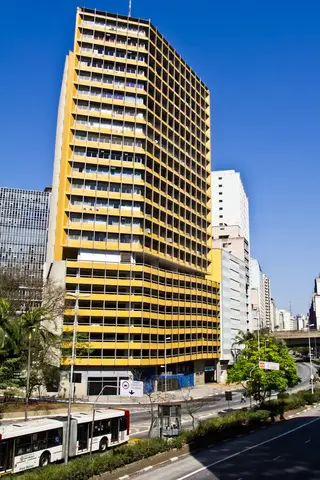
Edifício Joelma
A São Paulo tower where a 1974 fire killed nearly 190 people; Brazil’s most famous haunted building, and home of the legend of the “thirteen souls.” Regional legend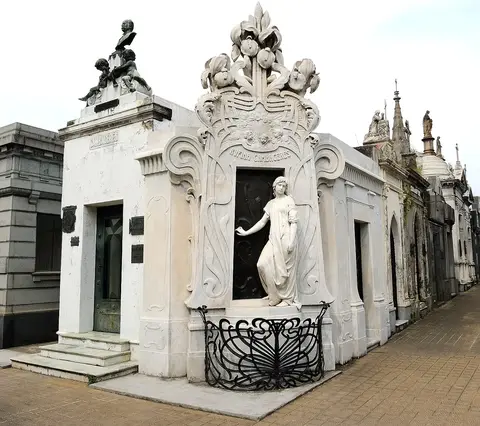
Recoleta Cemetery
Buenos Aires’s city of marble tombs, resting place of Evita – and of Rufina Cambacérès, the 19-year-old said to have been buried alive in 1902. Regional legend