FIELD REPORT · PENNSYLVANIA
When Halloween meets history: the debate over ‘fright tourism’
Two researchers ask whether Halloween attractions at old prisons and forts honor the past. Eastern State and Fort Henry show the competing arguments.
Every October, old prisons, forts and jails turn into haunted attractions, and a new commentary asks whether that is a problem. In a piece first published by The Conversation and republished by Phys.org on October 27, 2026, researchers Ann-Kathrin McLean and Juan Claudio Benavides del Carpio look at what they call “fright tourism”: travel to places with sinister histories, or places promoted as having them, in search of scares. It is an essay, not a new study, and it does not claim to settle the question. It does lay out the arguments clearly, and two of the sites it names let us check them against the sites’ own statements.
The argument
The authors say Halloween has become a $13.5 billion industry and that many people want what they call “thrilling yet sanitized” encounters with death at a safe distance. They place Halloween attractions within dark tourism, the study of visits to sites linked to death, disaster and difficult heritage. Their concern is that the line between interpretation and entertainment can blur. When it does, they argue, victims’ dignity and a site’s educational and commemorative value can suffer. Their recommendations are practical: pay close attention to the line between interpretation and entertainment, avoid glorifying perpetrators or sensationalizing violence, and ground exhibits in context that acknowledges the people who suffered.
They lean on a well-known framework. Philip Stone’s 2006 paper in the journal Tourism proposed that sites linked to death sit on a “spectrum of intensity” rather than in one category, with different products and perceptions at different levels of darkness. The commentary also cites research on prison museums finding that “not all dark experiences are equally ‘dark’ to all visitors,” meaning a site cannot fully control how people take its story.
Eastern State Penitentiary
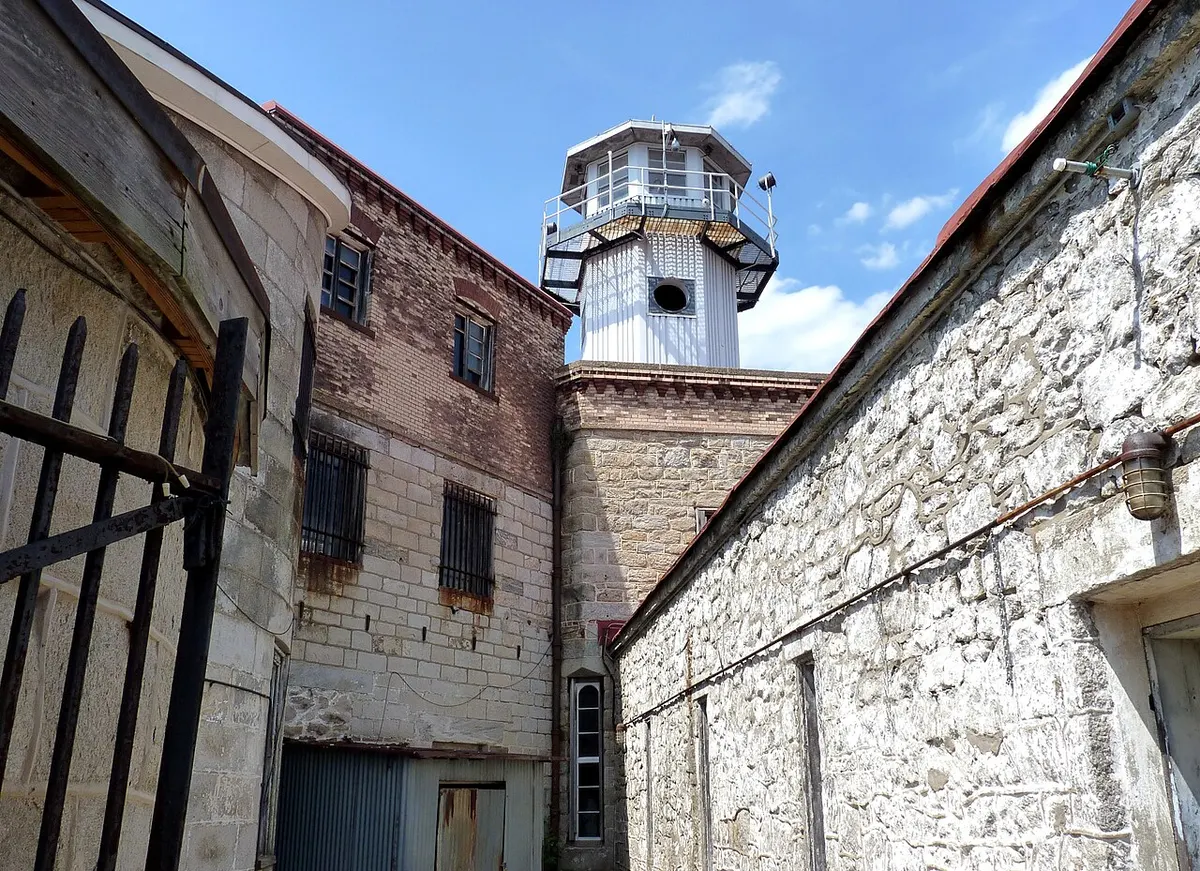
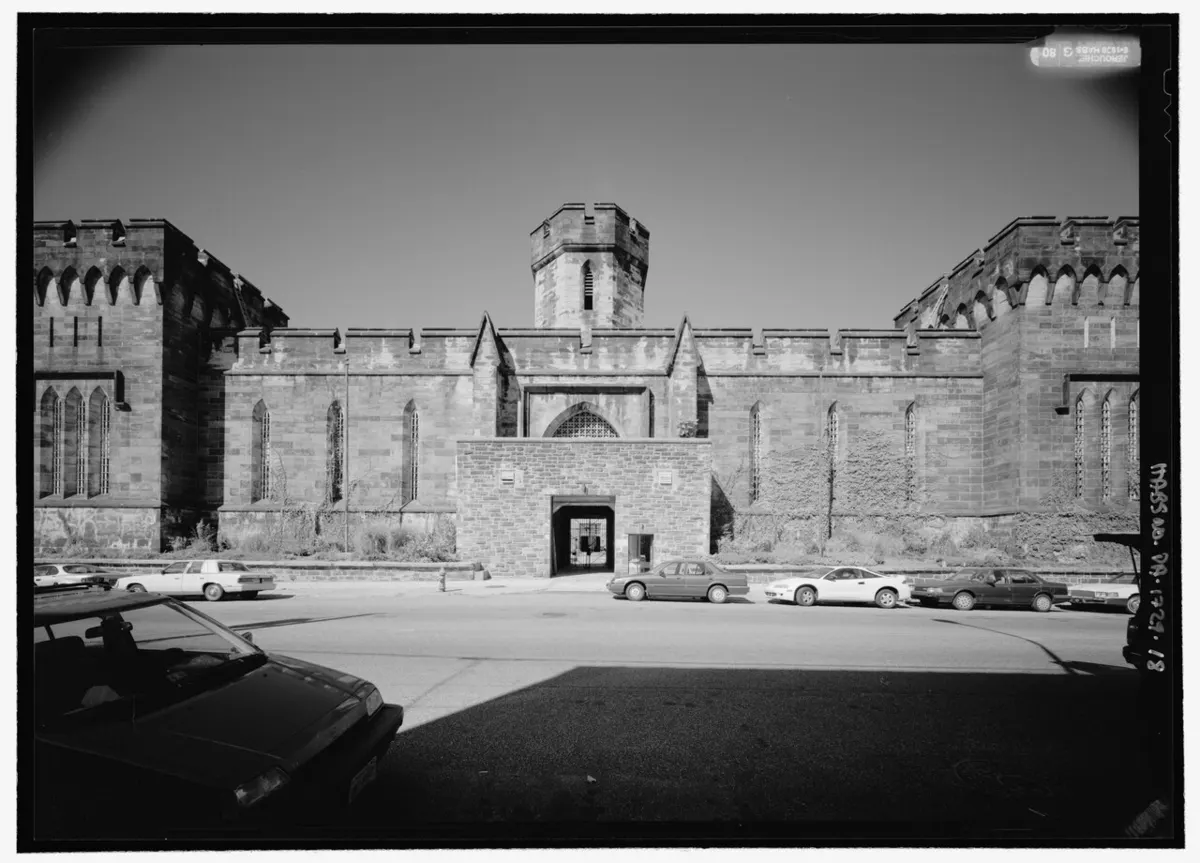
The commentary points to Eastern State Penitentiary in Philadelphia, which launched “Terror Behind the Walls” in the late 1990s and now runs “Halloween Nights,” and says its proceeds support preservation and education. The site’s own pages fit that account. Eastern State says it began as “a modest Halloween attraction in 1991,” that the event grew into Terror Behind the Walls and then Halloween Nights, and that “100% of all proceeds” go back to the nonprofit. It says ticket money funds preservation of the National Historic Landmark, education and workforce programs. Its Halloween page promotes “A Halloween Festival of Epic Proportions,” open on select nights through November 7.
The history behind it is solid. According to the site’s history page, the first prisoner arrived in 1829, John Haviland’s radial design placed seven cellblocks around a central hub, and the Pennsylvania System combined solitary confinement with labor. Pennsylvania stopped running the penitentiary in 1970, it was briefly a city jail in 1971, and it then stood empty until 1988. Hard-hat tours began in 1994. Whether a festival is the right way to fund that preservation is exactly what the commentary leaves to readers. Our own entry on Eastern State Penitentiary covers the reported ghost stories and what the record shows.
Fort Henry
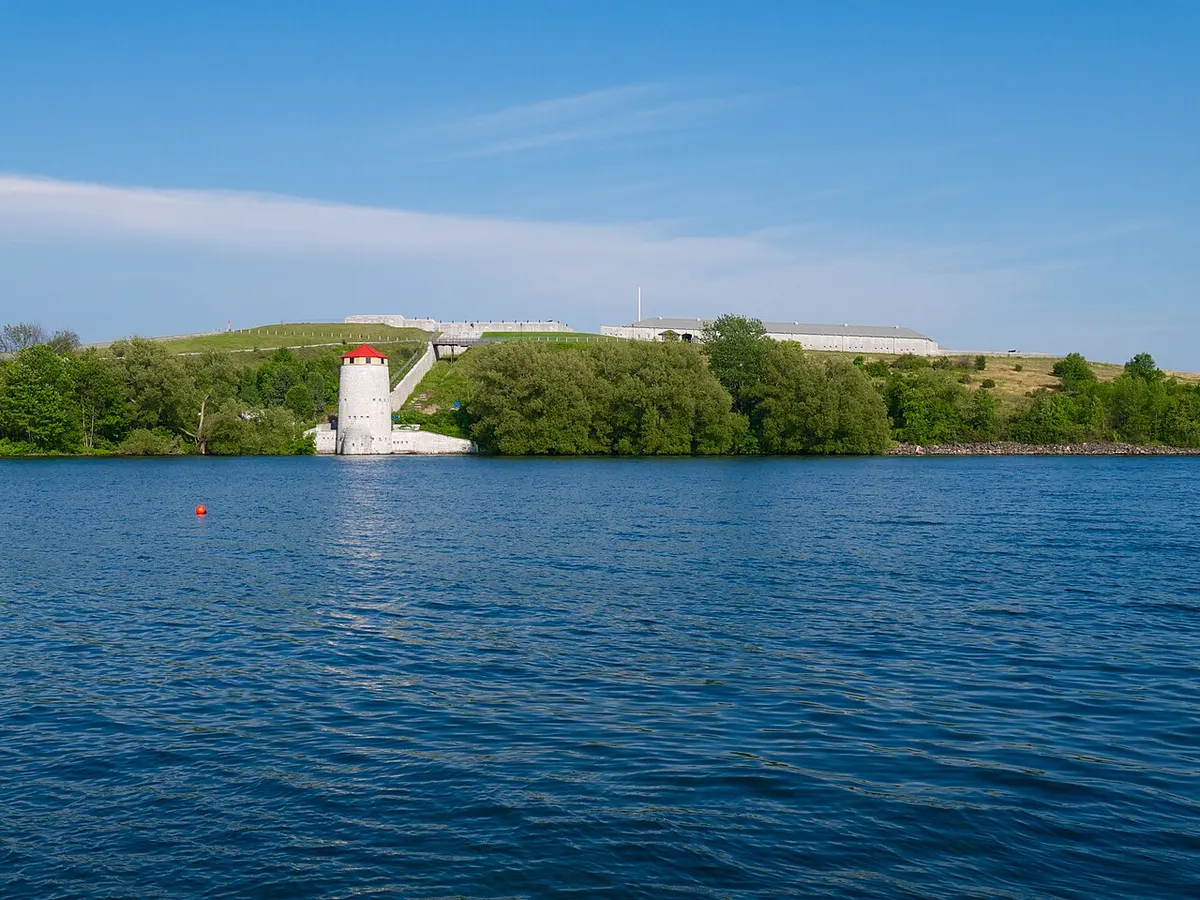
The second example is Fort Henry in Kingston, Ontario. The authors say the site saw an execution in 1838, held captured combatants from the 1837–38 Rebellions, and held civilians classed as “enemy aliens” in both world wars. Its October event, Fort Fright, runs on select nights through the end of the month. The event page describes an outdoor haunted experience with animatronics, immersive sets and costumed scare actors, plus coffin rides and a monster shooting range, and the page says it is not recommended for children; guests under 13 must be accompanied by a parent or guardian. The commentary notes that the fort also offers year-round educational programming. We could not confirm the history details from Fort Henry’s event page, which does not discuss them, so they rest on the commentary’s account.
Not all dark experiences are equally ‘dark’ to all visitors.
Research on prison museums, as cited by McLean and Benavides del Carpio
What this means for ghost stories
For readers of haunted-place coverage, the debate is useful because it separates three things that often blur together: what happened, what visitors are told, and what is staged for effect. A ghost tour can lead people to the record, or it can replace it. The commentary’s answer is only that the line between attraction and memorial can be nuanced, especially where former prisons also offer educational resources. Whether any given venue does so is a judgment for visitors.
Neither site claims anything about hauntings in the pages we read. Eastern State’s Halloween page describes a festival, and Fort Fright’s page describes a scare event. Ghost reports connected to these places are separate claims, and this report does not treat them as confirmed.
Sources
- Phys.org / The Conversation: Halloween meets history in many ghostly tourism attractions. Is this a problem? (October 27, 2026)
- Eastern State Penitentiary: Halloween Nights
- Eastern State Penitentiary: About Halloween Nights
- Eastern State Penitentiary: History of Eastern State
- Fort Henry: Fort Fright
- Philip Stone: A Dark Tourism Spectrum, Tourism 54(2) (2006), University of Central Lancashire repository