FIELD REPORT · SCIENCE
A new study asks why people feel a ghost in the room
Vanderbilt psychologists surveyed people who sense an unseen presence. What the survey found, what it can’t show, and what earlier research adds.
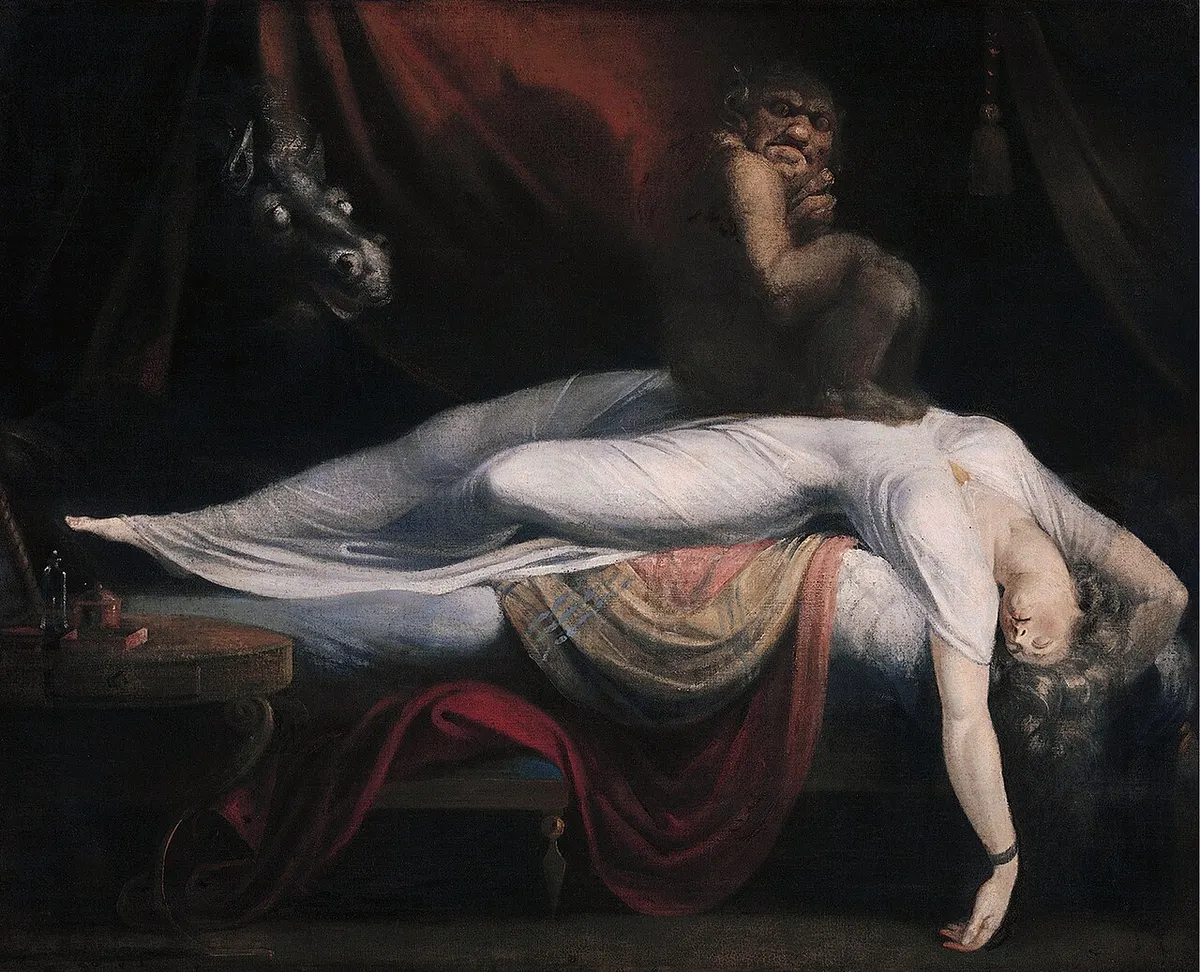
Many ghost stories begin the same way: someone is sure they are not alone, and nothing is there. Psychologists call this a “felt presence,” the sense that another being is nearby without any sight or sound to explain it. A paper published online on August 18, 2026, in the journal Psychosis, by Tatiana Baxter and Sohee Park of Vanderbilt University’s psychology department, looks at who has these experiences and how they feel. ZME Science covered it on October 30, 2026.
The paper is open access, and we read it in full through PubMed Central. We also read the abstract of the team’s earlier paper and the record of a classic 2006 experiment, and we cover both below.
What the new survey found
The paper reports on 337 adults who filled in an anonymous online survey in two rounds, from October 2020 to November 2022. It asked about spiritual experiences, unusual perceptions linked to psychosis risk, and encounters with unseen presences, including how often they happened, how vivid they felt and whether they were pleasant or distressing. Participants were sorted into four groups by their spirituality scores and their screening results for psychosis risk.
Sixty percent said they had felt a presence at least once. The group that scored high on both spirituality and psychosis risk reported the most intense encounters: more frequent, more vivid and more disturbing. Among people with high psychosis-risk scores, those high in spirituality reported more frequent, vivid and distressing encounters than those low in spirituality; how pleasant the encounters felt did not differ significantly. The volunteers came from social media and email lists, and the authors note that the sample may over-represent people interested in the topic, so the 60 percent figure is not a rate for the whole population.
Read the numbers with care
A “psychosis-risk” score is a screening measure, not a diagnosis, and the study describes associations in a self-selected group, not causes. It does not say that people who report ghosts are ill. ZME Science points to other research in which the experience is far less common in the general population: a 2024 study of 10,447 people in the Netherlands, published in the British Journal of Psychiatry, found 1.6 percent reported a felt presence in the past month.
The same Vanderbilt team’s earlier paper, in the journal Psychopathology (2026, volume 59, issue 1, published online in September 2025), surveyed 376 people and called its findings preliminary and exploratory. It reported that felt presence and anxiety each predicted elevated psychosis-risk scores, and that people in the high-risk group described more frequent, distressing, vivid and multisensory experiences. It also linked cumulative trauma to more frequent, vivid and distressing experiences. The researchers suggest that this kind of bodily experience deserves attention when clinicians assess risk.
A presence on demand
One of the most cited experiments is much older. In a 2006 note in Nature, Shahar Arzy, Olaf Blanke and colleagues described a woman being evaluated for epilepsy surgery. When doctors applied electrical stimulation to a spot in her left temporoparietal junction, she repeatedly felt that someone was close by, though no one was there, and the “person” seemed to mimic her posture. The authors suggested the effect reflects a disturbance in how the brain combines signals about the body and the self.
That result does not explain every ghost story, and it was a single patient. It does show that the brain can produce the sense of a companion on its own, which is one reason researchers treat the feeling as a perception to be explained rather than a report of a visitor.
Ordinary explanations people already know
Melissa Maffeo, an associate teaching professor of psychology at Wake Forest University and author of a 2025 book on the science of the supernatural, made a similar point in an October 28 university article. When we meet ambiguous sensory input, she said, “our brain wants to make a story out of it,” and belief in the paranormal is one of the strongest predictors of having such an experience. She also described sleep paralysis, in which a person wakes while the body is still paralyzed and can see figures or hear buzzing, and says roughly 20 percent of people worldwide experience it. We looked at some of these mechanisms in our earlier report on infrasound, carbon monoxide and feeling haunted.
None of this proves that any particular haunting is only in the mind, and nothing here settles what is happening at any given site. What the research does offer is a reason to treat “I felt something” as a real human experience with identifiable circumstances, such as stress, sleep, belief, trauma and the setting, not as proof of a ghost and not as a sign that the witness is unwell.
If you or someone you know is distressed by experiences like these, a doctor or a mental-health professional is the right place to start. In the United States, you can call or text the 988 Suicide & Crisis Lifeline at any time.
Sources
- ZME Science: Why Do People Feel the Presence of ‘Ghosts’? Scientists Are Starting to Understand (October 30, 2026)
- PubMed: Phenomenology of felt presence across degrees of psychosis-risk and spirituality, Psychosis (Baxter & Park, August 18, 2026)
- PubMed: The experience of felt presence in a general population sample, British Journal of Psychiatry (Brederoo et al., 2024)
- Vanderbilt Body, Mind & Brain Lab: Publications (lists Baxter & Park, Psychosis, 2026, and Psychopathology, 2026)
- PubMed: Felt Presence and Psychosis Risk in the General Population, Psychopathology (Baxter & Park)
- PubMed: Induction of an illusory shadow person, Nature (September 21, 2006)
- Wake Forest University News: Why do we see ghosts? The science behind spooky encounters (October 28, 2026)