EXPLAINER · SCIENCE
Infrasound, carbon monoxide and the science of feeling haunted
A faulty furnace in 1921, a humming fan in a Coventry lab, volunteers at Hampton Court: what a century of research says about why some places feel haunted.
Many ghost stories begin not with a figure but with a feeling: a heaviness in a room, a chill, the sense that someone is there. Scientists have spent a century trying to work out where those feelings come from. They have not found a single answer, but they have found some surprising and well-documented culprits – and one of them can kill.
The house with the faulty furnace
In February 1921, the American Journal of Ophthalmology published a paper by the eye specialist W. H. Wilmer titled “Effects of Carbon Monoxid upon the Eye.” Among its cases was the account of a woman he called only Mrs. H. After her family moved into an old house that had stood mostly empty for years – in 1912, according to retellings of the paper – they became listless, pale and plagued by headaches. Then came the strange events: footsteps in empty rooms, bells ringing with no one there, a sense of being watched, and figures – a dark-haired woman in black, an old man and a young woman at the foot of a servant’s bed. Even the houseplants died.
According to popular retellings of the paper, including one by the history site Today I Found Out, it was Mr. H’s brother who suggested the family might be breathing poisoned air. An examination found the old furnace badly damaged, sending its fumes into the rooms instead of up the chimney. Once it was repaired, the symptoms and the apparitions stopped. The story was retold on the public radio program This American Life, and it remains the classic example of a “haunting” with a medical cause.
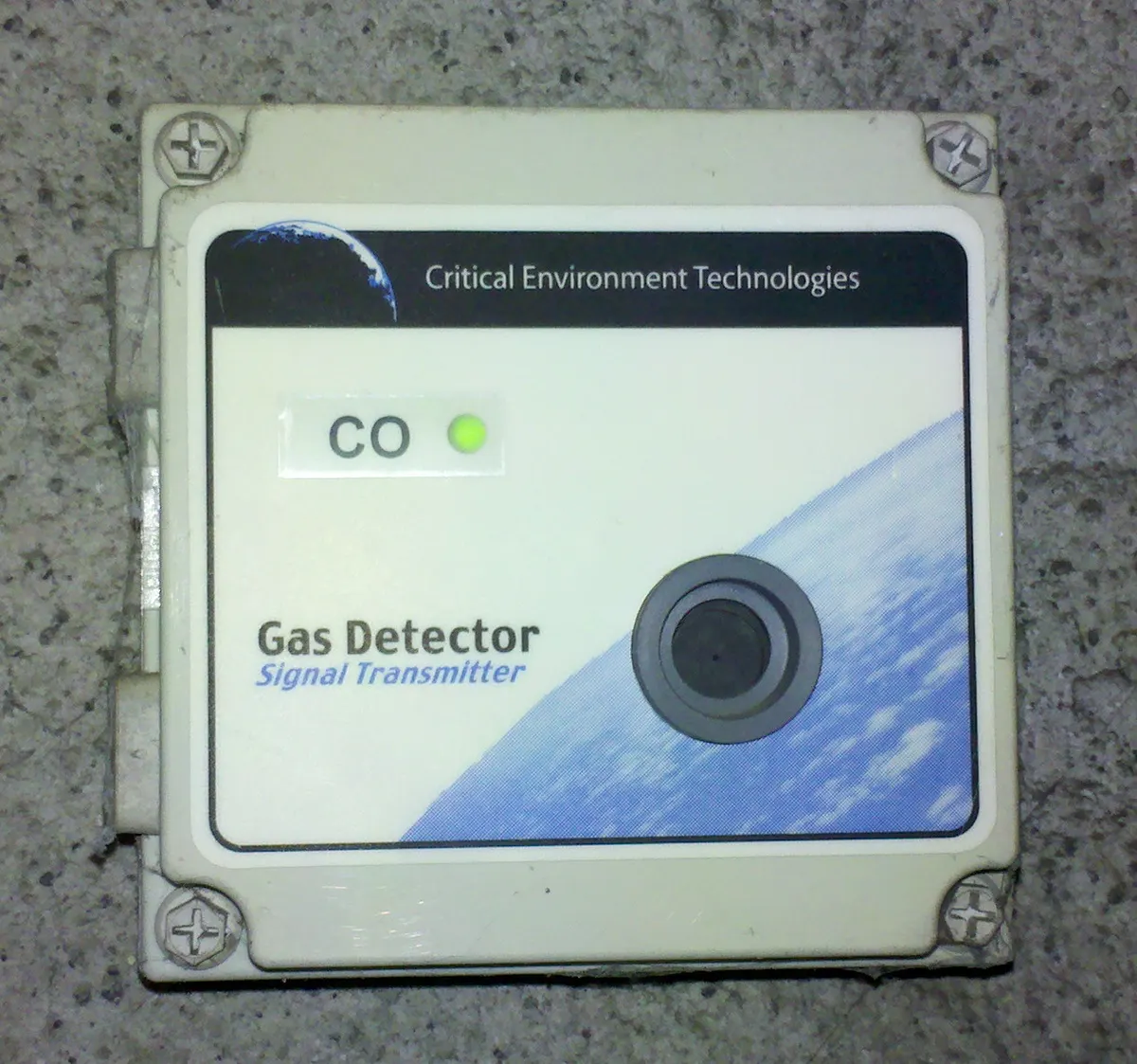
It is worth remembering what kind of evidence this is: one family’s recollection of events in 1912–13, relayed by a doctor in print some eight years later, with the family and the physician who examined the furnace unnamed – and known to most readers today only through secondhand retellings. But it fits what doctors know about the gas. The U.S. Centers for Disease Control and Prevention says unintentional carbon monoxide poisoning not linked to fires kills more than 400 Americans a year and sends more than 100,000 to emergency rooms. Its symptoms – headache, dizziness, weakness, nausea and confusion – are often mistaken for flu.
Vic Tandy and the 19-hertz ghost
The second famous case comes from England. Vic Tandy (1955–2005) was an engineer who later lectured in information technology at Coventry University. In the early 1980s, working late in a laboratory for a medical equipment company, he felt cold and anxious and sensed something in the room with him; he later said he glimpsed a figure at the edge of his vision that vanished when he turned toward it. The next day, he noticed that a sword blade he had clamped in a vise was vibrating on its own. Tandy traced the cause to a newly installed extractor fan, which was producing a low-frequency standing wave at about 19 hertz – below the range of human hearing. The sound was strongest beside his desk, where he had seen the figure.
Tandy and the psychologist Tony Lawrence described the case in “The Ghost in the Machine,” published in the Journal of the Society for Psychical Research in April 1998. As an article for the UK’s Institute of Acoustics later summarized, Tandy went on to measure peaks at 19 and 23 hertz in a 14th-century cellar in Coventry that had its own ghost stories.
Testing the idea
In 2003, Richard Wiseman of the University of Hertfordshire and Richard Lord of the National Physical Laboratory tested infrasound on a live audience. About 750 people at a London concert heard pieces of music, some laced with infrasound from a seven-meter (23-foot) pipe. Al Jazeera, reporting the results, said 22% described more unusual experiences – unease, sorrow, chills – when the infrasound was present, even though no one could hear it.
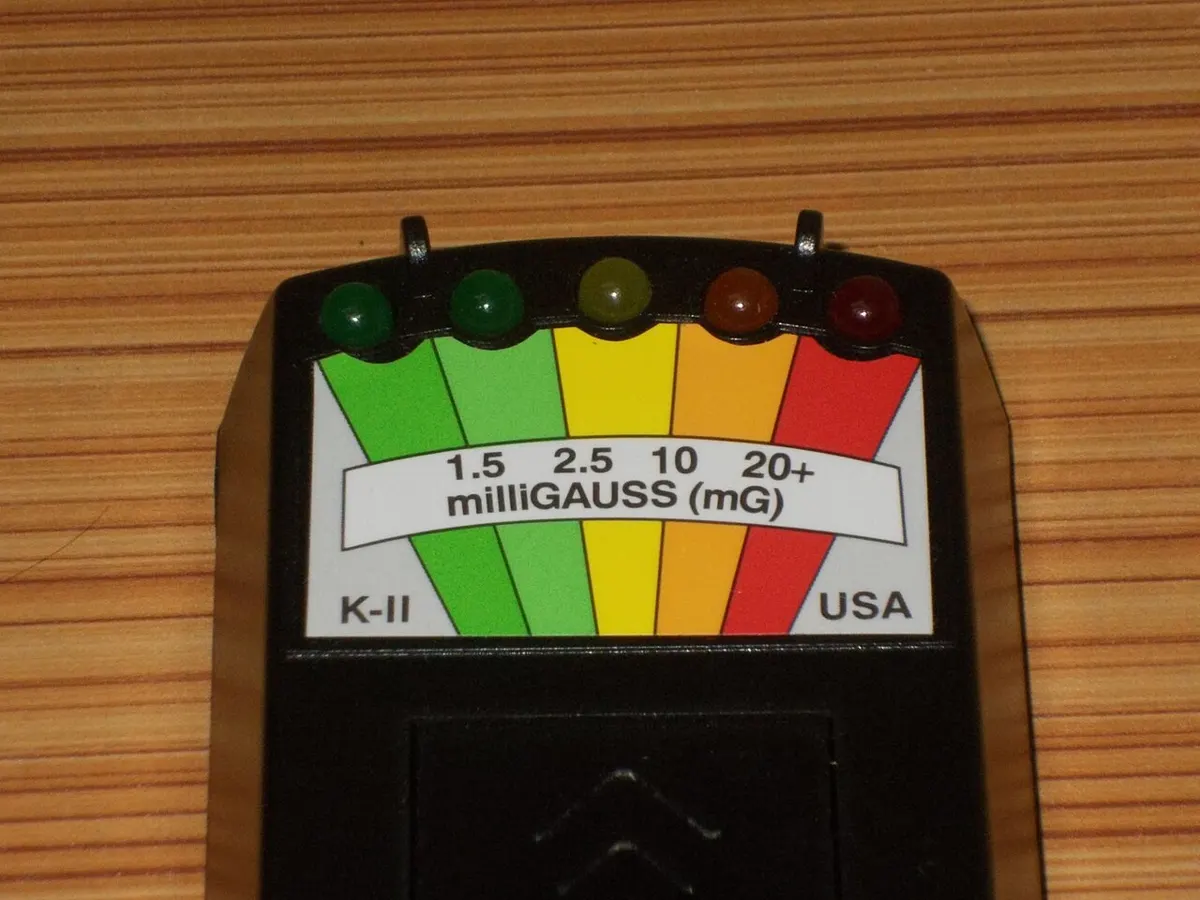
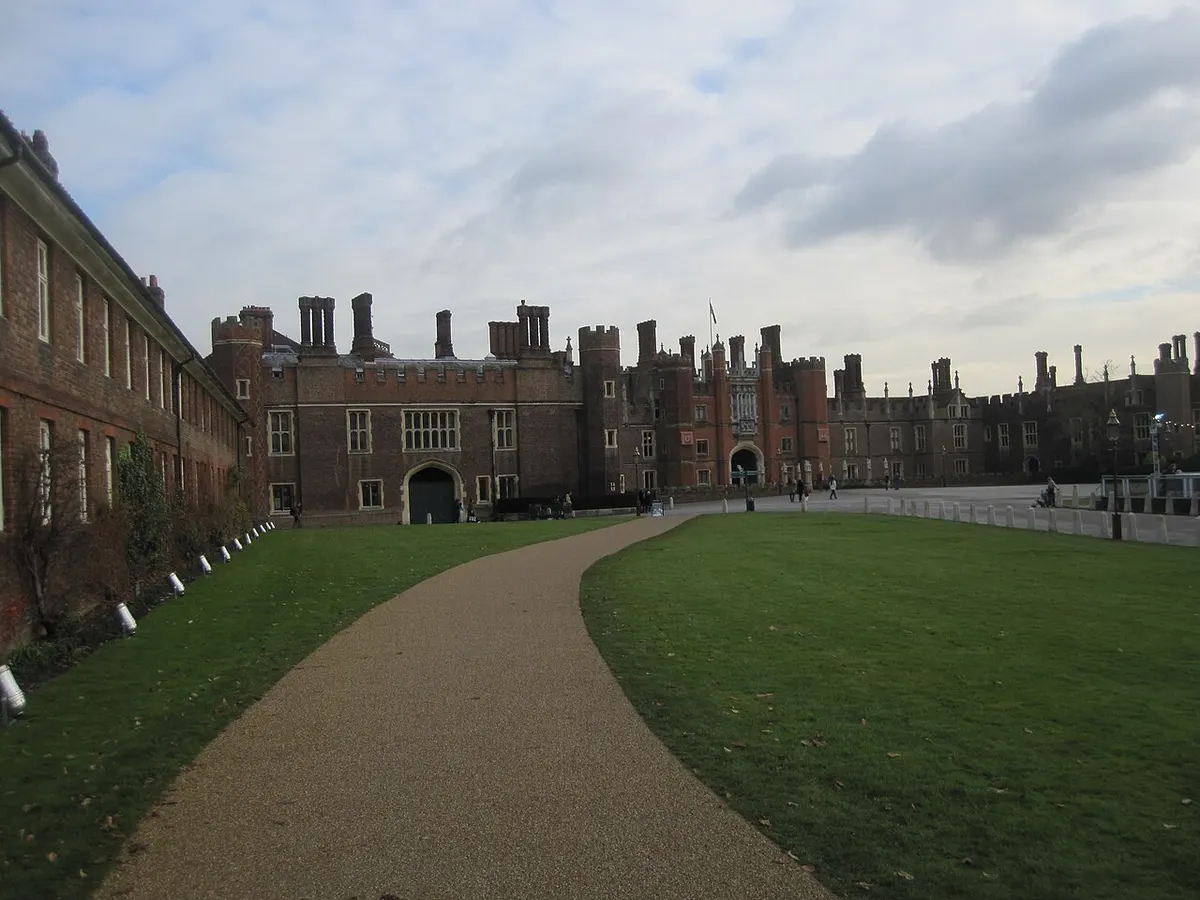
The same year, Wiseman and colleagues published a study in the British Journal of Psychology in which volunteers walked through Hampton Court Palace and Edinburgh’s South Bridge Vaults and marked where they felt something strange. People reported more experiences in areas with a haunted reputation, even when they didn’t know which areas those were, and the locations were linked to variations in the magnetic field and to lighting levels.
Not every test has backed the infrasound theory. In Goldsmiths, University of London’s “Haunt” project, published in Cortex in 2009, Christopher French and colleagues placed 79 volunteers in a purpose-built room for 50 minutes with infrasound, complex electromagnetic fields, both or neither. Many reported odd sensations, but the number had nothing to do with what they were exposed to; the authors concluded that suggestibility was the simplest explanation. A 2006 paper by Jason Braithwaite and M. Townsend argued in its title that a specific effect of infrasound had “yet to be empirically demonstrated.”
The newest evidence is small but intriguing. A study by Rodney Schmaltz’s team at MacEwan University, published in Frontiers in Behavioral Neuroscience in 2026 and reported by PsyPost in June, played an 18-hertz tone through hidden subwoofers to students listening to music. Those exposed couldn’t tell when it was on, but reported more irritability, rated the music as sadder and showed a larger rise in the stress hormone cortisol. Only 35 students were analyzed and the exposure lasted about five minutes; Schmaltz cautioned against reading too much into it.
What it adds up to
The research points to a mix of causes rather than a single hidden switch. A place can feel haunted because of something in the air, something in the walls, something we have been told about it, or all three. Carbon monoxide is the one that matters most, because it is common, invisible and dangerous. Infrasound may nudge some people toward unease, though the evidence is mixed. And expectation – a building’s reputation, a guide’s story, a dark corridor – may be the most powerful factor of all.
Sources
- Wilmer, W. H., Effects of Carbon Monoxid upon the Eye, American Journal of Ophthalmology 4(2):73–90 (Feb. 1921)
- Today I Found Out: A Real Life Ghost Story
- This American Life: 319, And the Call Was Coming from the Basement (transcript)
- CDC: About Carbon Monoxide Poisoning
- Wikipedia: Vic Tandy
- Institute of Acoustics: Things that go bump in the night… (Oct. 2017)
- Al Jazeera: Sound of silence gives ghoul vibrations (Sept. 8, 2003)
- Wiseman et al., An investigation into alleged ‘hauntings’, British Journal of Psychology 94 (2003) – University of Edinburgh research portal
- Goldsmiths Research Online: French et al., The “Haunt” project, Cortex 45 (2009)
- PsyPost: New research indicates sounds you can’t hear can spike your cortisol levels (June 4, 2026)