INVESTIGATION · LOUISIANA
The Myrtles Plantation’s ‘Chloe’: the legend against the record
Louisiana’s Myrtles owes much of its haunted fame to the ghost of an enslaved woman named Chloe. The historical record tells a very different story.
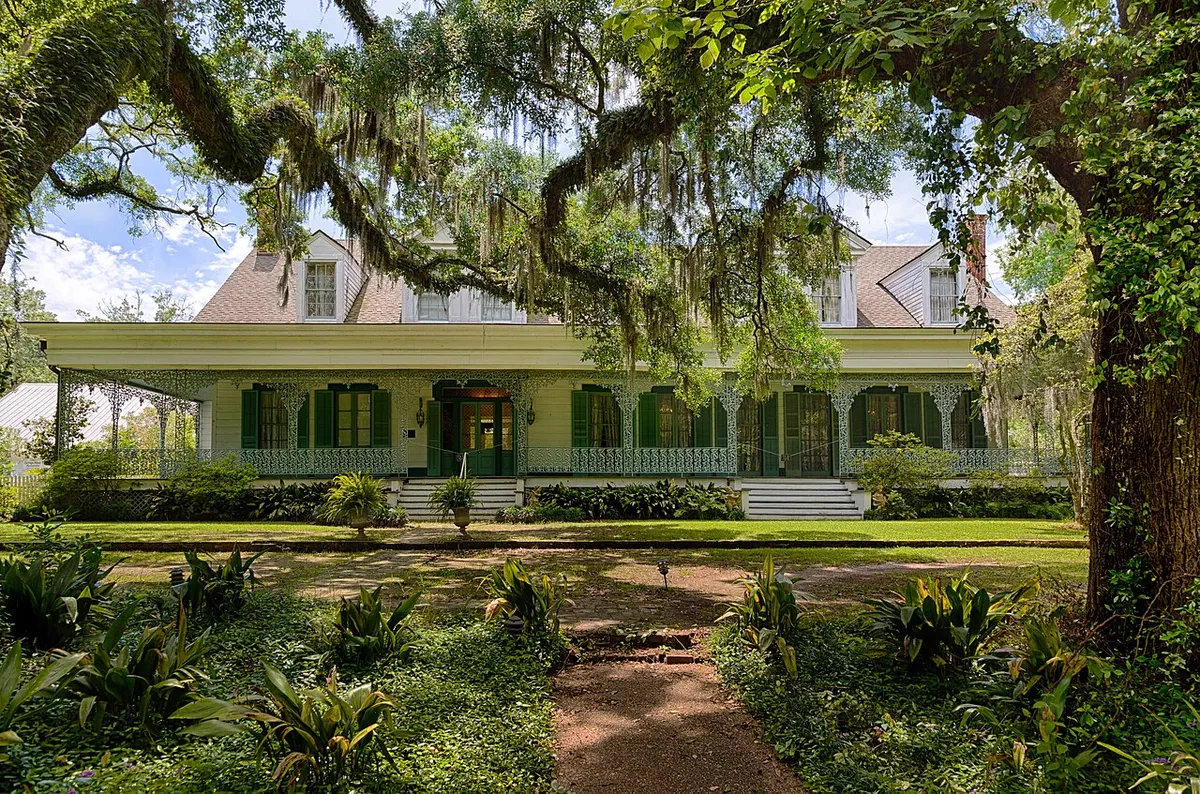
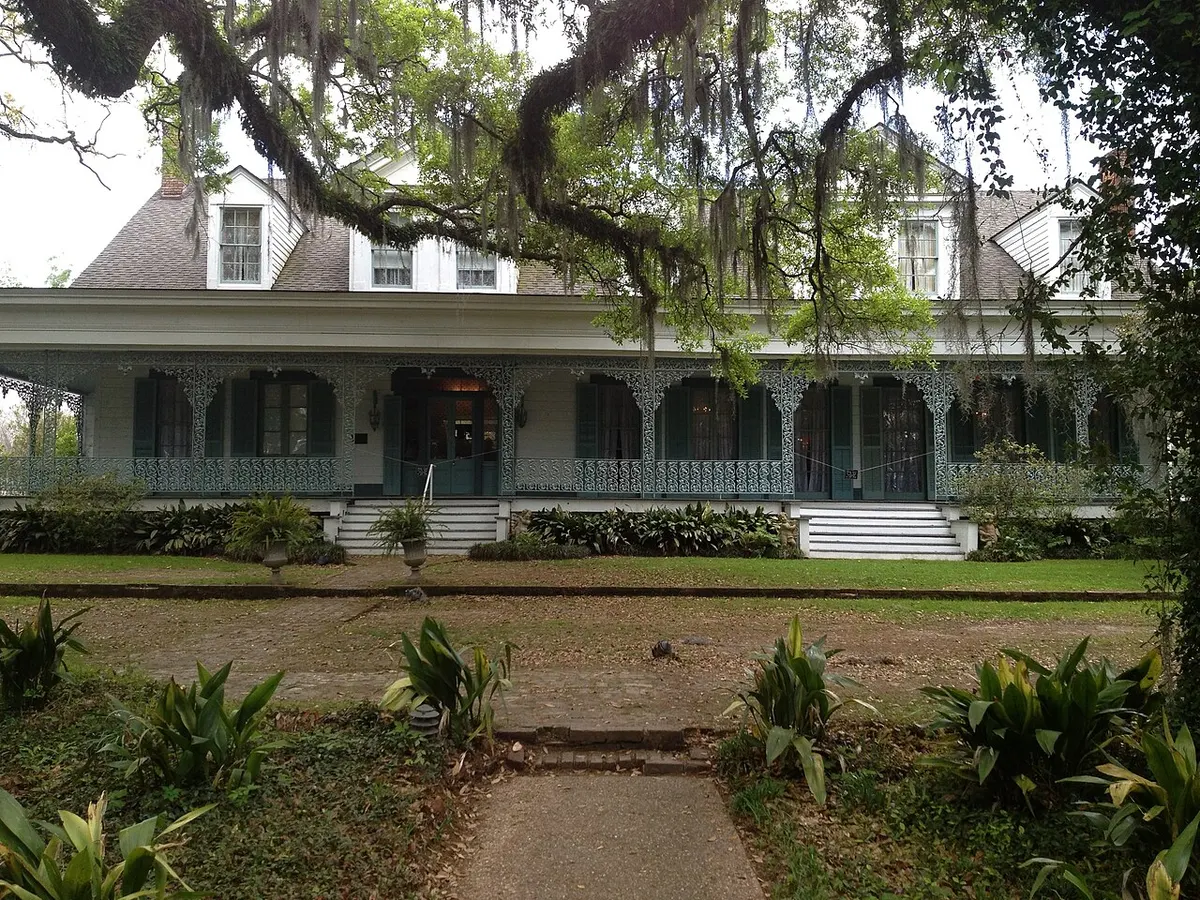
Few American ghost stories are told as often as Chloe’s. Visitors to the Myrtles, a plantation house in St. Francisville, Louisiana, now run as a bed and breakfast with tours, hear of an enslaved woman who wore a green head wrap to hide a mutilated ear, who poisoned her enslaver’s family and who was killed in revenge. Her ghost is said to walk the house. The story has been featured on Unsolved Mysteries in 2001 and Ghost Hunters in 2005, and it has helped make the Myrtles one of the best-known haunted places in the South. The trouble is that the historical record does not support it.
The house and the family
The documented history is clear enough. According to the sources gathered in Wikipedia’s account of the house, it was built in 1796 by David Bradford, a figure in the Whiskey Rebellion, on land in what was then Spanish West Florida; President John Adams pardoned him in 1799. He called it Laurel Grove. The house was added to the National Register of Historic Places in 1978. After his death in 1808, his widow Elizabeth ran the plantation, and from 1817 it was managed by Clarke Woodruff, a former law student of Bradford’s who had married his daughter, Sara Mathilda.
Between 1823 and 1824, Sara Mathilda Woodruff and two of the couple’s three children died. Woodruff later moved with his surviving daughter to Covington, Louisiana, and in 1834 sold the plantation – including the land and the enslaved people who worked it – to Ruffin Gray Stirling, who enlarged the house and renamed it the Myrtles. In 1871, William Drew Winter, a lawyer who managed the estate for the Stirling family, was shot on the porch and died. It is the only killing at the Myrtles supported by the record.
The legend
In the most common version, Chloe (sometimes Cloe) was enslaved by the Woodruffs. Caught listening at doors, she was punished by having an ear cut off, and afterward wore a green turban. In revenge, or to win back favor, she baked a cake laced with oleander, which killed Sara Mathilda and two daughters. Other enslaved people, fearing punishment, hanged her and threw her body into the Mississippi. Some tour versions, the historian Tiya Miles has written, describe Chloe as an adolescent girl forced into a sexual relationship with her much older enslaver.
What the record shows
According to the records cited in Wikipedia’s account of the legends, and to investigators who have checked them, the story has three main problems. First, there is no known record of the Woodruffs owning anyone named Chloe or Cloe. Federal census records show the household held 5 enslaved people in 1820 and 32 in 1830, but no surviving document names a Chloe. Second, Sara Mathilda Woodruff and two of her children – James and Cornelia – died of yellow fever, not of poison. Third, the legend’s family does not match the real one: one of the children who died was a son, and the surviving daughter, Mary Octavia, lived into adulthood.
The investigator Joe Nickell spent a night alone in the house in 2001 for the Discovery Channel and then went through the records. He reported in the Skeptical Inquirer (“Haunted Plantation,” September/October 2003), and summarized in a 2016 interview, that Chloe appeared to be “fakelore” – a writer’s creation rather than a folk memory – and that a loose shutter could explain some of the banging noises guests reported.
Why the story matters anyway
Miles, who studied Southern ghost tours for her 2015 book Tales from the Haunted South, heard Chloe’s story on a tour of the Myrtles. In an essay adapted from the book, she described visitors calling out Chloe’s name and laughing nervously at the suggestion of an enslaver’s interest in a child. Her argument is that tales like this turn the trauma of an enslaved girl into entertainment for paying customers, while leaving out the everyday violence of slavery. Speaking to WBUR’s Here & Now that year, she said many such tour stories “have no relation to fact and exploit the very real suffering” of the period. The Chloe story places blame on an enslaved woman and treats the cruelty done to her as part of the thrill.
None of this means the Myrtles has no history of suffering. Dozens of enslaved men, women and children lived and worked on the plantation, and most of their names are missing from the popular story. Families did lose children to disease, and a man was shot dead on the porch. Those are the events the record supports.
For visitors, the honest approach is to enjoy the house’s beauty and atmosphere while treating Chloe as a modern legend – one that says more about how Americans have chosen to tell the story of slavery than about anything that happened at the Myrtles in the 1820s. The real people enslaved there deserve to be remembered as people, not as ghosts.
Sources
- Wikipedia: Legends of Myrtles Plantation
- Wikipedia: Myrtles Plantation
- CSICon: A ‘Nickell’ for Your Thoughts – A Conversation with Joe Nickell (2016)
- UNC Press Blog: Tiya Miles, Ghosts R Us (Oct. 30, 2015)
- WBUR Here & Now: How Ghost Tours Often Exploit African-American History (Oct. 30, 2015)
- Skeptical Inquirer: Joe Nickell, Haunted Plantation (September/October 2003)