Kind of haunting · 10 cases
Poltergeists
Thrown objects, knocking and moving furniture: noisy outbreaks that often centre on one household or one person.
The word poltergeist is German for “noisy spirit”, and noise is the heart of these cases: knocking and rapping, objects thrown or moved, furniture overturned, stones falling on roofs. Unlike apparitions tied to a building, poltergeist outbreaks usually centre on a household and often on one person – frequently a child or teenager – and they tend to start suddenly and fade within weeks or months. Famous cases include the Bell Witch of Tennessee (1817–21), the Fox sisters’ rappings in Hydesville, New York, in 1848, which helped launch Spiritualism, the Enfield poltergeist in north London (1977–79) and the Rosenheim law office in Bavaria in 1967.
Parapsychologists such as William Roll argued that the disturbances might be caused unconsciously by the living person at the centre, coining the term “recurrent spontaneous psychokinesis” in 1958 after studying a case in Seaford, New York. Skeptics point to a long record of trickery: in 1888 Margaret Fox demonstrated on stage how she had made the raps by cracking her toe joints (she later retracted her confession); in Columbus, Ohio, in 1984, a TV camera left running recorded teenager Tina Resch toppling a lamp she claimed had flown; and investigators at Rosenheim were accused of missing simpler explanations.
Today most researchers see poltergeist cases as a mix of real household stresses, misinterpreted noises, attention, suggestion and sometimes deliberate pranks – often by a young person under pressure. That doesn’t make the families’ fear any less real, and our files try to tell these stories with care for the people involved.
Every case on file
The Enfield Poltergeist
Knocks, flying toys and a gruff “voice” around two sisters in a London council house, 1977–79: Britain’s most famous and most disputed poltergeist. Widely reported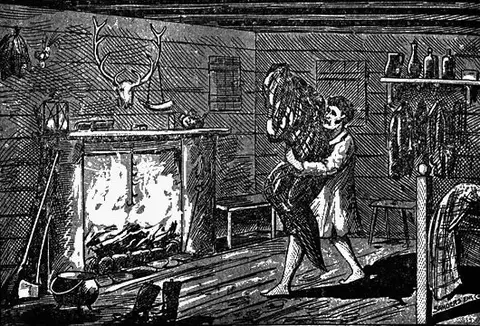
The Bell Witch
From 1817 a talking, invisible “witch” was said to torment the Bell family of Robertson County. America’s best-known ghost story still draws crowds. Widely reported
Chase Vault
A Barbados vault where heavy lead coffins were said to be found tossed about each time it was opened, 1812–1820 – a legend with no eyewitness record. Folklore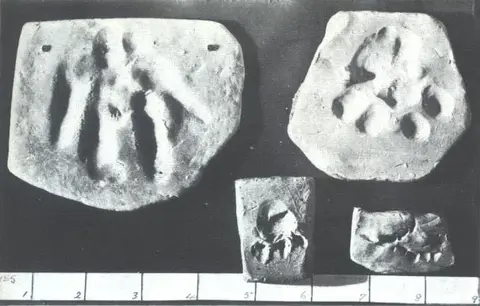
Gef the Talking Mongoose
In the 1930s an Isle of Man farm family said a chatty mongoose lived in their walls. Investigators heard a girl’s voice and found dog hair instead. Hoax / debunkedSallie House
A brick house in Atchison said to be haunted by a little girl who died on a doctor’s table – though no record shows she existed. Its fame began in 1993. Widely reported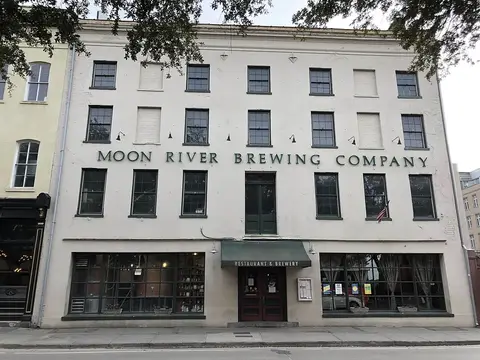
Moon River Brewing Company (City Hotel)
Savannah’s first hotel, built in 1821, later a brewpub whose staff and TV ghost hunters described thrown objects and shadowy figures. Regional legend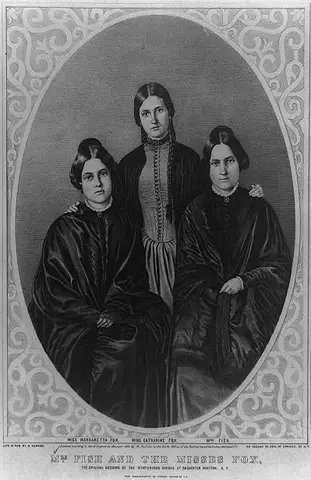
The Fox Sisters and the Hydesville Rappings
In 1848 two sisters near Rochester said a spirit rapped out answers to their questions. The sensation launched Spiritualism, and ended in confession. Hoax / debunked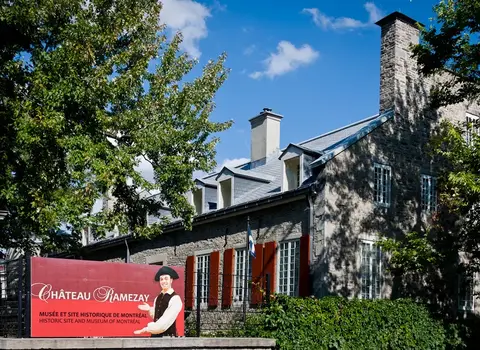
Château Ramezay
A governor’s mansion of 1705 turned museum, where staff have found brochures scattered, books fallen and an antique car’s wheels turned overnight. Local legend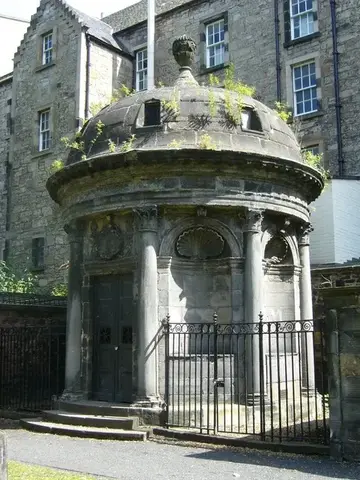
Greyfriars Kirkyard and the Mackenzie Poltergeist
Edinburgh’s storied old graveyard, where since the late 1990s ghost-tour visitors say an unseen force has bruised, scratched and knocked them out. Widely reportedThe Pfister Hotel
Milwaukee’s grand 1893 hotel hosts visiting baseball teams – and so many players have reported ghostly nights that some refuse to stay there. Widely reportedVideos
 12:48
12:48
1977: The ENFIELD POLTERGEIST | Nationwide | Weird and Wonderful
 3:39
3:39
Legend of the Bell Witch
 3:03
3:03
The Bell Witch
 3:02
3:02
Examining the Local Origins of the Modern Spiritualist Movement: The Fox Sisters
 1:17:57