Continent file
Haunted places in Africa
Cape Town’s castles, colonial ruins and the spirits of African folklore.
Across Africa, beliefs about the dead are often bound up with ancestors, family and faith rather than with the Western idea of a ghost haunting a house. Ancestral spirits are honoured, consulted and remembered in living religious traditions from West Africa to the Zulu and Xhosa peoples of South Africa, and we treat those traditions with respect rather than as spooky attractions.
The best-known haunted places in the Western sense are often colonial. Cape Town’s Castle of Good Hope, built by the Dutch East India Company between 1666 and 1679 and the oldest surviving colonial building in South Africa, is said to keep a tall figure on its walls and the spirit of a governor. Off the Cape the Flying Dutchman, the world’s most famous ghost ship, has been sighted since at least the 18th century. In Namibia’s desert, the diamond-mining town of Kolmanskop, abandoned in the 1950s and slowly filling with sand, draws photographers and ghost-story lovers alike.
North Africa adds Egypt and the enduring legend of the “curse of the pharaohs”, born of the press frenzy after Lord Carnarvon’s death in 1923 – a story a 2002 study in the BMJ found no statistical support for. Throughout this section, we set out the documented history first and note where a famous ghost story says more about colonial-era storytelling than about the past it claims to describe.
Choose a country
Haunted places in Africa
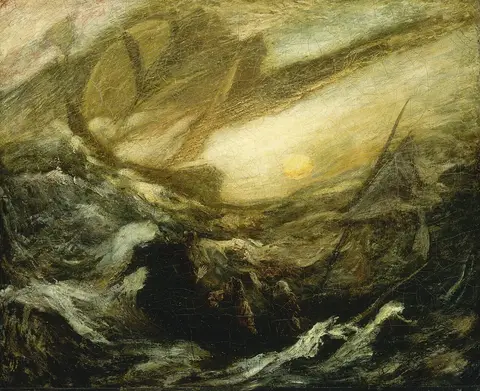
The Flying Dutchman
The ghost ship doomed to beat against the storms off the Cape of Good Hope forever – the sea’s most famous phantom, from sailors’ yarns to Wagner. FolkloreThe Vanishing Hitchhiker
A driver picks up a young woman by the road; she gives an address, then vanishes from the car – a ghost story told in a thousand towns. Folklore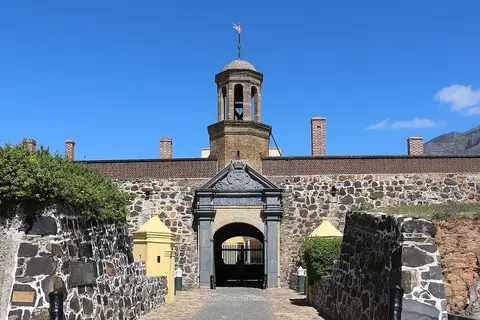
Castle of Good Hope
South Africa’s oldest building, a Dutch star fort where legend says a cursed governor died at his desk and Lady Anne Barnard still attends parties. Widely reportedThe Uniondale Hitchhiker
South Africa’s most famous road ghost: a young woman killed near Uniondale at Easter 1968, said to hitch rides on the N9 and vanish from moving vehicles. Regional legend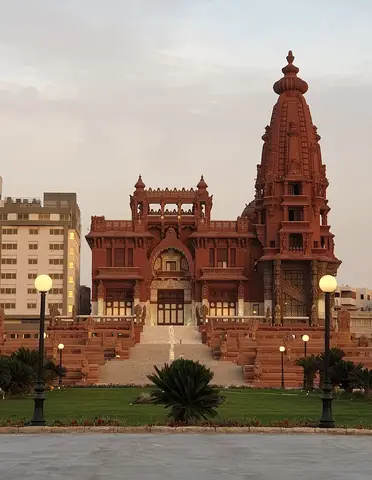
Baron Empain Palace
A Belgian baron’s Angkor-inspired palace in Cairo, empty for decades, became Egypt’s most famous “haunted house” and the focus of a 1997 satanism panic. Regional legend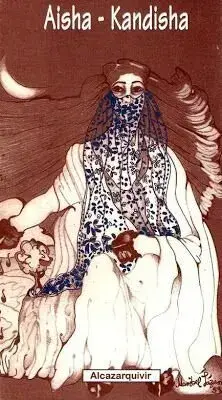
Aisha Qandisha
Morocco’s best-known jinniya: a beautiful woman with hoofed feet who haunts rivers and the sea – and Lalla Aicha, honoured at the shrine of Sidi Ali. Folklore