Continent file
Haunted places in Oceania
Convict prisons, gold-rush towns and the haunted asylums of Australia and New Zealand.
Australia’s most haunted places are mostly products of its colonial and convict past. Port Arthur in Tasmania, a penal settlement until 1877, runs nightly ghost tours through its ruined penitentiary and asylum; Fremantle Prison in Western Australia and the Old Melbourne Gaol tell the stories of the people held and executed there; and Monte Cristo Homestead in Junee, New South Wales, has been promoted for decades as “Australia’s most haunted house”. Former asylums such as Beechworth in Victoria, open from 1867 until the 1990s, and Sydney’s old Quarantine Station at Manly add their own histories of illness and isolation.
In outback Queensland the Min Min light, a glowing orb said to follow travellers, has been explained by the neuroscientist Jack Pettigrew as a kind of Fata Morgana – a mirage that carries distant lights over the horizon. In New Zealand, Larnach Castle on the Otago Peninsula is the country’s best-known haunted house. Across the Pacific islands, beliefs about spirits of the dead and sacred places belong to living cultures and are treated here with care.
Aboriginal and Torres Strait Islander and Māori understandings of country, ancestors and the dead are not “ghost stories” and are not ours to sensationalise. Where colonial-era legends touch on Indigenous land or history, we give that context, and we set out the documented history and the skeptical explanations for every site.
Choose a country
Haunted places in Oceania
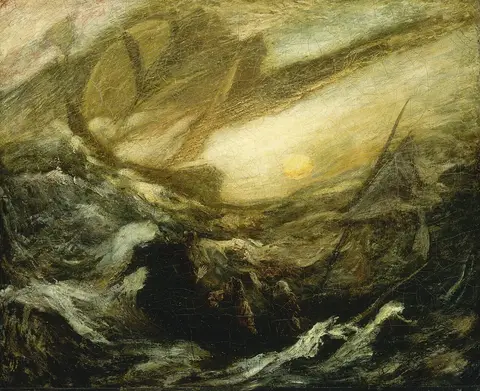
The Flying Dutchman
The ghost ship doomed to beat against the storms off the Cape of Good Hope forever – the sea’s most famous phantom, from sailors’ yarns to Wagner. Folklore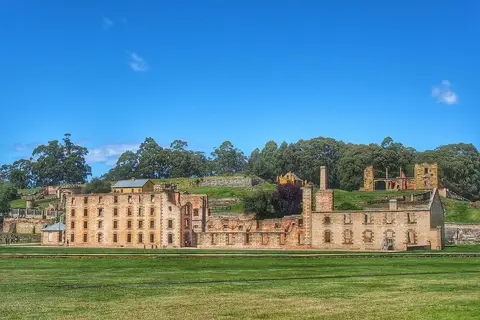
Port Arthur Historic Site
Tasmania’s World Heritage convict settlement, where guides have gathered thousands of visitor stories of a Blue Lady and a parson in the Parsonage. Widely reported
Shadow People
Dark human-shaped figures glimpsed at the edge of sight or standing over the bed – and the sleep-paralysis research that explains many of them. Widely reportedBlack-Eyed Children
Pale children with solid black eyes who knock at night asking to be let in – a modern legend traced to one Texas journalist’s story in the 1990s. FolkloreFisher’s Ghost
Australia’s oldest famous ghost story: in 1826 a farmer said a murdered ex-convict sat on a Campbelltown bridge rail and pointed to where his body lay. Regional legend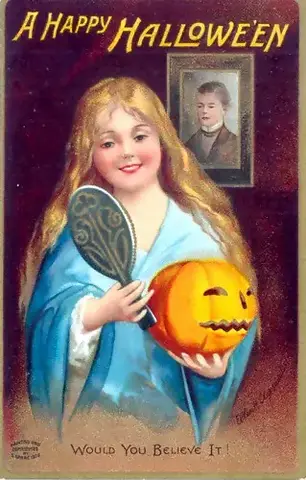
Bloody Mary
Say her name three times into a dark mirror and she will appear – the sleepover dare that folklorists trace to old Halloween divination rituals. Folklore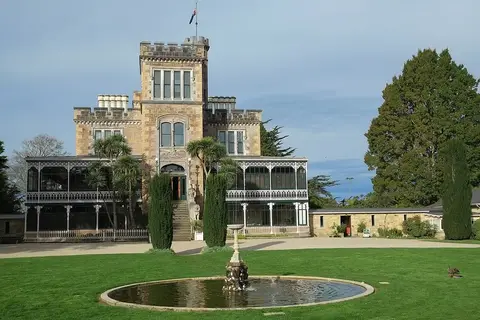
Larnach Castle
A banker’s Gothic Revival mansion high on Dunedin’s Otago Peninsula, where visitors report being pushed and staff log sightings of the Larnach family. Widely reported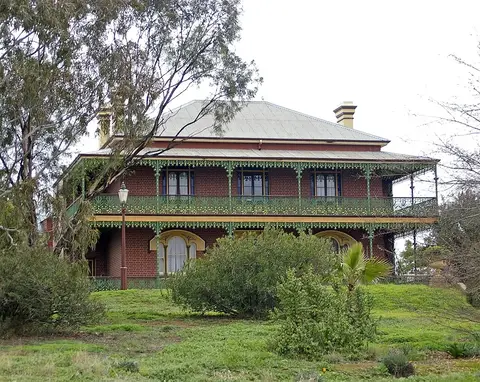
Monte Cristo Homestead
A Victorian hilltop manor in Junee, NSW, billed for decades as “Australia’s most haunted house” – home to the Crawleys, then the Ryans and their tours. Widely reported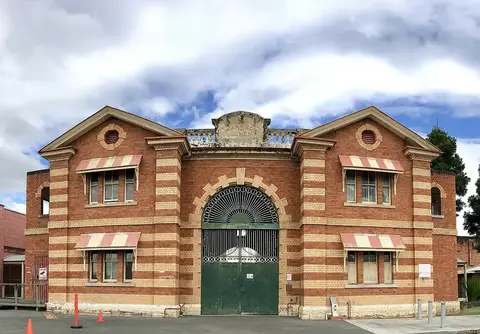
Boggo Road Gaol
Brisbane’s red-brick prison was sold as haunted by ghost tours – until its historical society exposed the stories and Queensland banned ghost hunts there. Hoax / debunked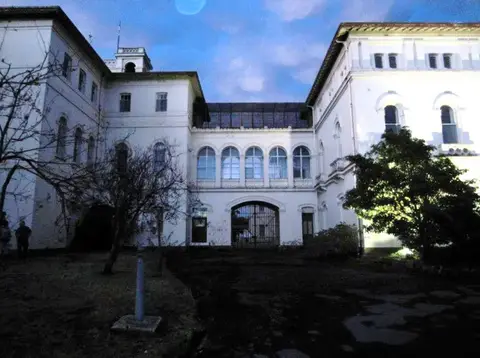
Aradale Asylum and J Ward
A hilltop asylum town and the goldfields gaol that held Victoria’s “criminally insane” – Ararat’s Aradale and J Ward are Victoria’s best-known ghost tours. Widely reported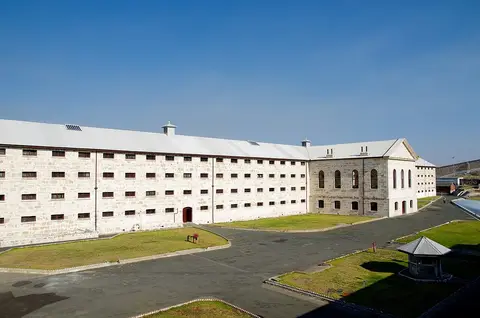
Fremantle Prison
Convicts built it; WA hanged 44 people in it. Fremantle Prison’s ghosts include a surgeon in the tower and Martha Rendell, the only woman hanged there. Widely reported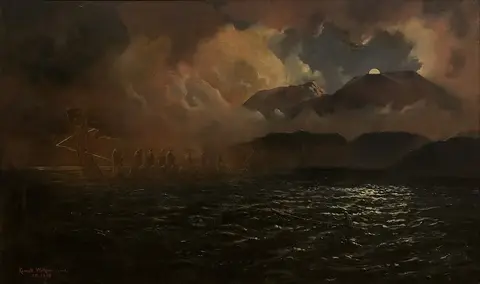
The Phantom Canoe of Lake Tarawera
Days before Mount Tarawera erupted in 1886, a boat of tourists and Māori guides saw a war canoe on the lake that vanished – a waka wairua, said a tohunga. Regional legend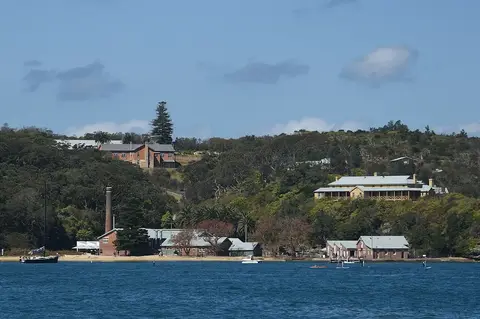
Q Station (North Head Quarantine Station)
Sydney’s harbourside quarantine station, where some 16,000 people were held and 572 burials are recorded – now a hotel running nightly ghost tours. Widely reported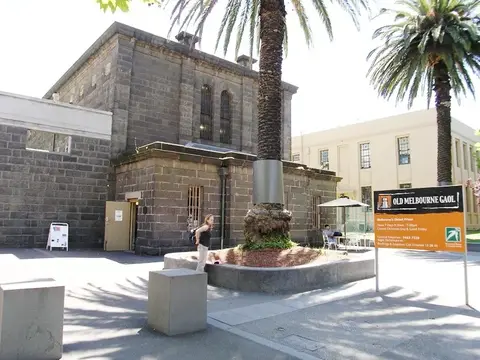
Old Melbourne Gaol
The bluestone Melbourne prison where Ned Kelly and 132 others were hanged. Guards report slamming doors and phantom keys; guides tell of Elizabeth Scott. Widely reported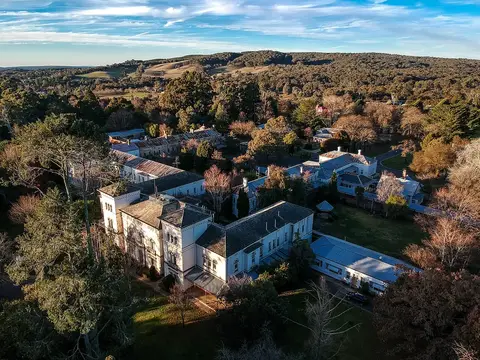
Beechworth Lunatic Asylum (Mayday Hills)
A gold-rush town’s vast Italianate asylum, open 1867–1995, where night tours tell of the kindly Matron Sharpe and figures above the old theatre stage. Widely reported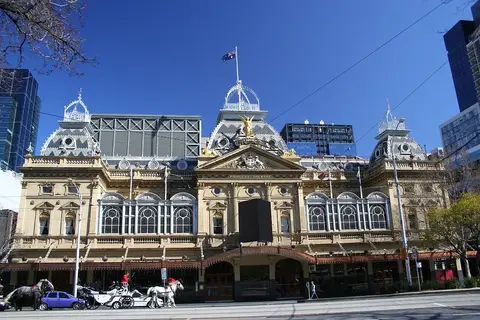
Princess Theatre, Melbourne
In 1888 the baritone Federici died after sinking through a trapdoor as Mephistopheles. Melbourne’s Princess Theatre still keeps a seat for his ghost. Widely reported