Continent file
Haunted places in Asia & the Middle East
Abandoned forts of Rajasthan, Japan’s yūrei, and the vengeful spirits of Southeast Asia.
Asia’s ghost traditions are among the oldest and most varied in the world, and many are woven into religion and family life. In China and across East and Southeast Asia, the seventh lunar month brings the Hungry Ghost Festival, when offerings are made to wandering spirits. Japan’s yūrei – pale, long-haired, white-robed – took shape in 18th-century painting and kabuki such as Yotsuya Kaidan (1825) and later inspired films such as Ringu. Malaysia and Indonesia have the pontianak or kuntilanak, the vengeful spirit of a woman who died in childbirth, and the Philippines its white ladies of Balete Drive.
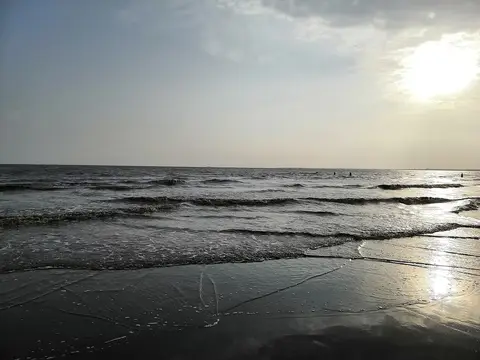
Haunted places include India’s Bhangarh Fort in Rajasthan, where the Archaeological Survey of India famously forbids entry between sunset and sunrise; Hachiōji Castle near Tokyo, which fell in a bloody siege in 1590; Singapore’s Changi Beach, linked to wartime massacres; and Gujarat’s Dumas Beach. Urban legends travel fast here too: Japan’s slit-mouthed woman, Kuchisake-onna, caused a real wave of school panics in 1979. Haunted objects such as the Okiku doll, whose hair is said to grow, are kept in temples rather than museums.
In the Middle East, beliefs about jinn rather than ghosts shape many stories of haunted houses and ruins. Throughout the region, we try to describe traditions as their communities understand them – often as matters of faith and respect for the dead – while setting out the history behind famous sites and the ways investigators explain the experiences people report.
Choose a country
Haunted places in Asia & the Middle East
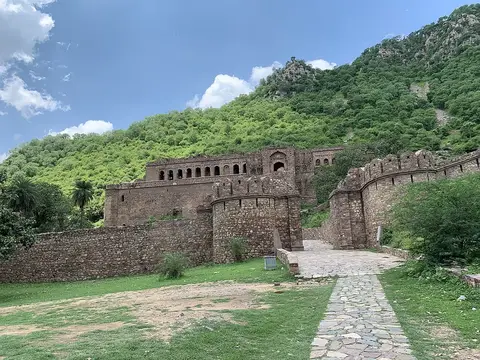
Bhangarh Fort
A ruined Rajput fort town in Rajasthan’s Aravalli hills, billed as India’s most haunted place – and closed by law between sunset and sunrise. Widely reported
Shadow People
Dark human-shaped figures glimpsed at the edge of sight or standing over the bed – and the sleep-paralysis research that explains many of them. Widely reportedThe Vanishing Hitchhiker
A driver picks up a young woman by the road; she gives an address, then vanishes from the car – a ghost story told in a thousand towns. Folklore
Will-o’-the-Wisp
Pale flickering lights over marshes and bogs that lure travellers off the path – folklore’s ghost lights, and a puzzle chemists are still trying to solve. Folklore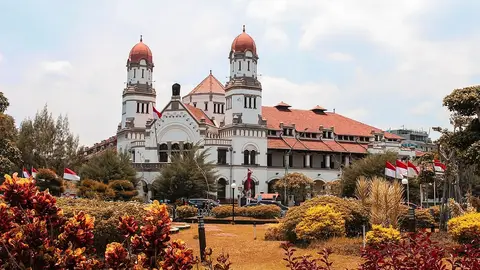
Lawang Sewu
Semarang’s old railway headquarters, “the thousand doors,” whose wartime basement and years of neglect made it Indonesia’s most famous haunted building. Widely reported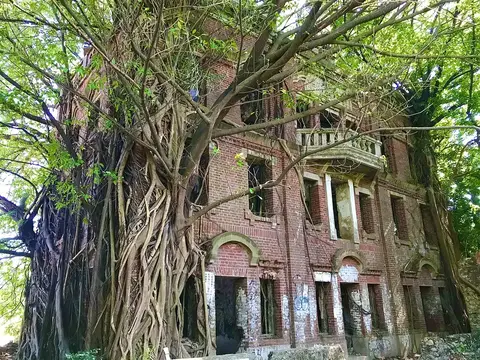
Minxiong Haunted House
The roofless 1929 mansion of a wealthy Liu family in rural Chiayi – Taiwan’s most famous haunted house, with a real 1940s shooting at its heart. Widely reported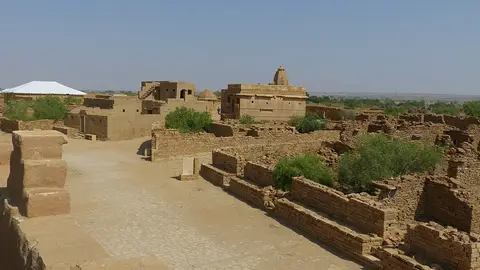
Kuldhara
A ruined desert village near Jaisalmer whose people, legend says, left in a single night and cursed the land so that no one could live there again. Regional legend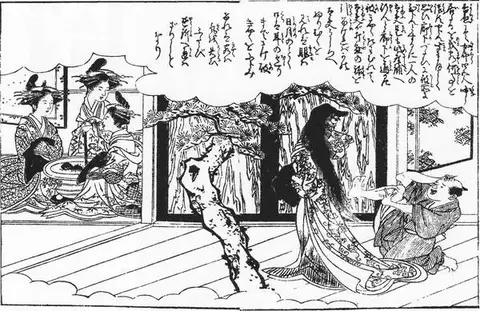
Kuchisake-onna
A masked woman who stops children at dusk to ask “Am I pretty?” – the urban legend that swept Japan in 1979 and led schools to walk pupils home. Folklore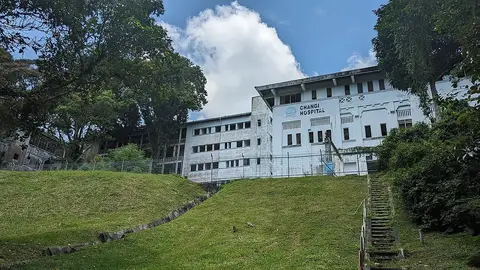
Old Changi Hospital
A hilltop British military hospital in Changi, empty since 1997 and called Singapore’s most haunted building – though its wartime torture legend is shaky. Widely reported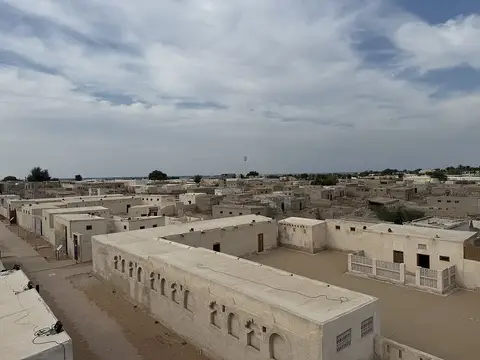
Jazirat Al Hamra
The Gulf’s last intact pearling town, emptied in 1968 and left standing for decades – a ghost town where many say the djinn have moved in. Regional legend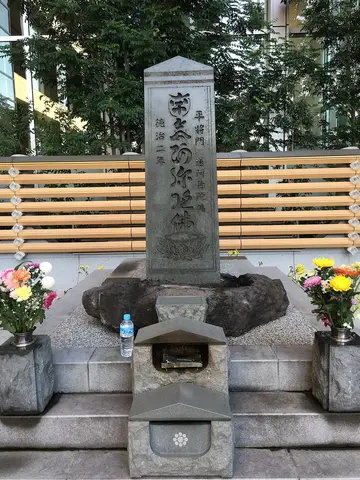
Masakado’s Mound (Masakado-zuka)
A small memorial to the rebel warrior Taira no Masakado amid Tokyo’s office towers – a site so revered and feared that the city has built around it. Widely reported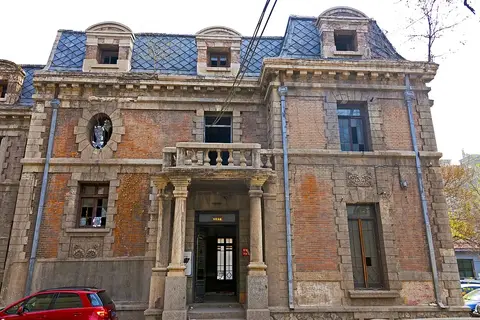
Chaonei No. 81
A French Baroque mansion on a busy Beijing street, long empty and called the city’s most celebrated haunted house – though its best-known legend is false. Widely reported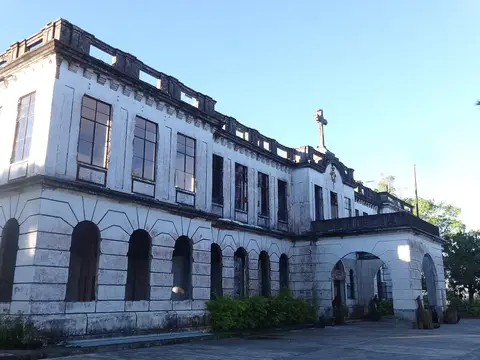
Diplomat Hotel (Dominican Hill)
A hilltop Dominican retreat in Baguio that became a wartime garrison, then a faith healer’s hotel – and, abandoned, a famous haunted ruin. Widely reportedGonjiam Psychiatric Hospital
An abandoned rural psychiatric hospital that CNN named one of the world’s freakiest places – built on rumours that the real record does not support. Hoax / debunked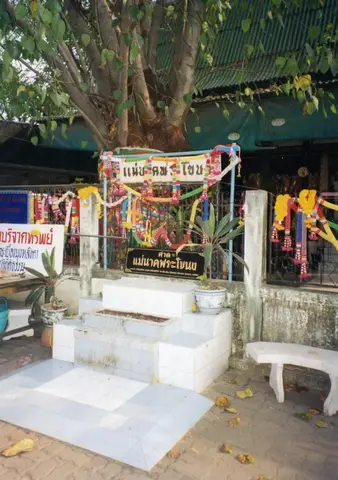
Mae Nak Phra Khanong
Thailand’s most beloved ghost: a young wife who died in childbirth but kept waiting for her husband – now honoured at a busy shrine in a Bangkok temple. Widely reportedPontianak
The long-haired woman in white of Malay and Indonesian folklore – a spirit of childbirth announced by a baby’s cry and the scent of frangipani. Folklore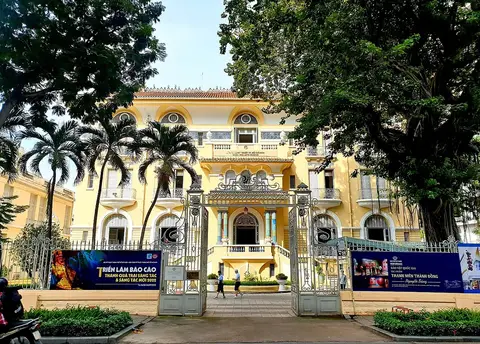
Hui Bon Hoa Mansion (Ho Chi Minh City Museum of Fine Arts)
A 1930s mansion built for a wealthy Saigon Chinese-Vietnamese family, now the city’s art museum – and, rumour says, home to a hidden daughter’s ghost. Regional legend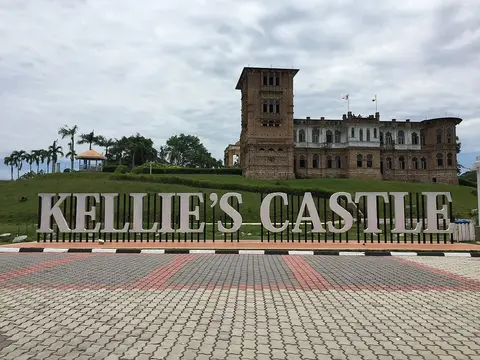
Kellie’s Castle
The unfinished jungle mansion of a Scottish rubber planter in Perak, abandoned after his death in 1926 – and said to be patrolled by his ghost. Regional legend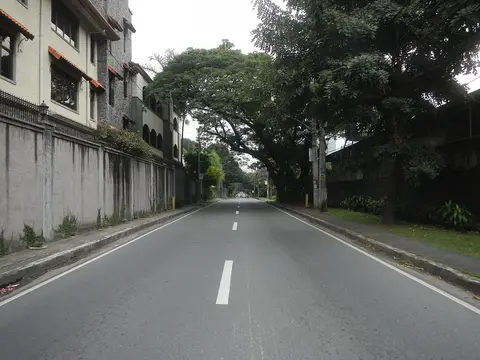
Balete Drive
A leafy Quezon City street whose white lady has haunted Manila taxi lore since the 1950s – a legend traced to a real 1949 jeep accident nearby. Widely reported
Hachiōji Castle Ruins
A Hōjō mountain castle west of Tokyo that fell in a single day in 1590 – now a quiet historic site and one of the capital’s best-known ghost spots. Regional legendThe Okiku Doll
A small Japanese doll at a Buddhist temple in Hokkaido whose bobbed hair is said to keep growing – believed by her family to hold a little girl’s spirit. Regional legend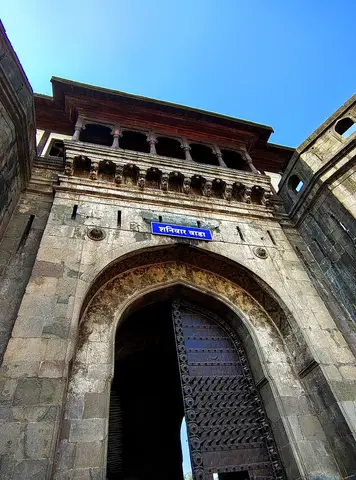
Shaniwar Wada
The fortified palace of Pune’s Peshwas, where the boy ruler Narayanrao was murdered in 1773 – and where his cry “Uncle, save me!” is said to echo. Regional legend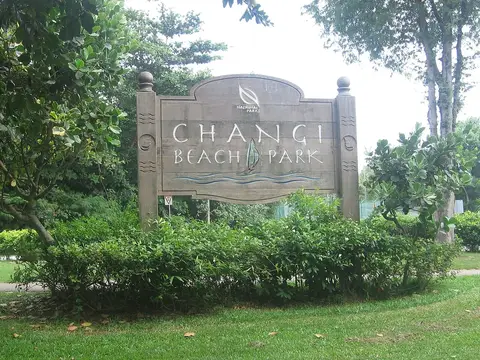
Changi Beach
A Singapore beach park where 66 civilians were shot in the 1942 Sook Ching massacre – and where many say cries for help still carry over the water. Regional legend