Continent file
Haunted places in Europe
Castles, abbeys, plague pits and the most haunted corners of the Old World.
Europe has more recorded centuries of ghost stories than anywhere else, and many of its haunted places are national monuments. The Tower of London, with its tales of Anne Boleyn, Hampton Court Palace and its Haunted Gallery, Scotland’s Glamis Castle and Edinburgh’s underground vaults, Ireland’s Leap Castle, France’s Château de Brissac and its Green Lady, and the Paris Catacombs are visited by millions every year. Britain in particular built a ghost-tour culture, from York – long promoted as one of Europe’s most haunted cities – to the village of Pluckley in Kent.
Europe is also where the serious study of ghosts began. The Society for Psychical Research was founded in London in 1882 and soon carried out its Census of Hallucinations, in which about one in ten of 17,000 respondents said they had seen, heard or felt something with no apparent cause. In the 20th century Harry Price made Borley Rectory famous as “the most haunted house in England”, the Enfield poltergeist of 1977–79 became a media sensation, and psychologists such as Richard Wiseman tested visitors’ experiences at Hampton Court and in the Edinburgh vaults.
Further east, Romania’s Bran Castle trades on its Dracula image, the Hoia-Baciu Forest near Cluj has a reputation all its own, and Italy’s Poveglia island has become a byword for horror – often with more legend than history attached. Across the continent, folk traditions of white ladies, wild hunts, the banshee and the will-o’-the-wisp remain part of local identity.
Choose a country
Haunted places in Europe

Tower of London
Nine centuries of royal prisoners, executions and murders have left the Tower of London with England’s most famous crowd of ghosts, Anne Boleyn first. Widely reportedThe Enfield Poltergeist
Knocks, flying toys and a gruff “voice” around two sisters in a London council house, 1977–79: Britain’s most famous and most disputed poltergeist. Widely reported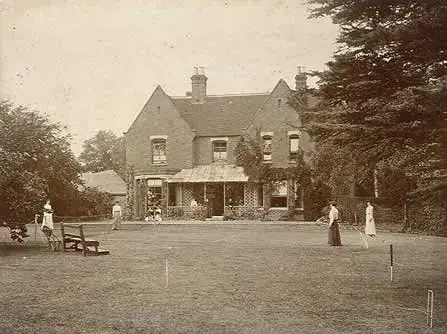
Borley Rectory
Harry Price called this Victorian rectory “the most haunted house in England.” The Society for Psychical Research later concluded the evidence melted away. Widely reported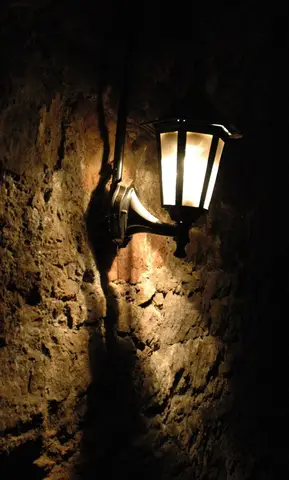
Edinburgh Vaults
Dark chambers sealed inside the arches of Edinburgh’s South Bridge — once workshops, then a slum — now one of Europe’s most famous ghost-tour stops. Widely reported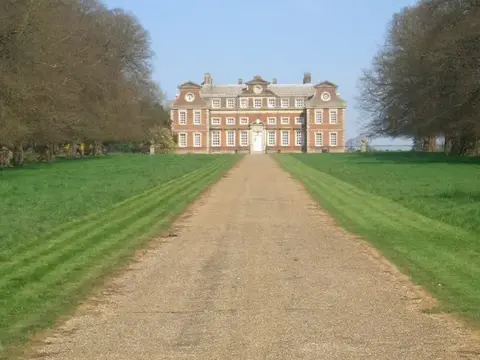
The Brown Lady of Raynham Hall
A lady in brown brocade said to walk a Norfolk stately home — and the subject of the world’s most famous ghost photograph, taken on its stairs in 1936. Widely reported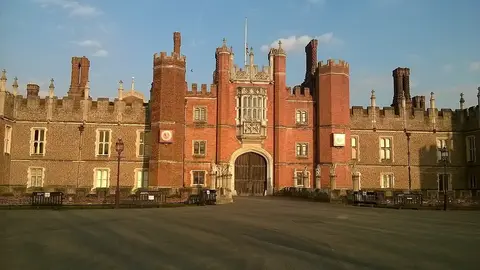
Hampton Court Palace
Henry VIII’s Thameside palace, where Catherine Howard is said to scream down the Haunted Gallery and a cloaked figure was caught on CCTV in 2003. Widely reported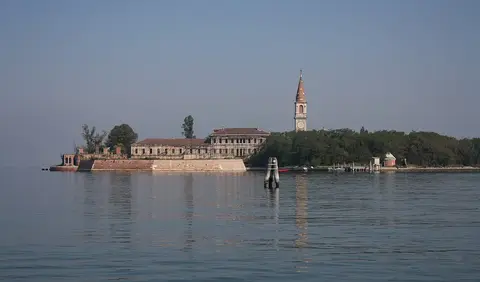
Poveglia
A small Venetian lagoon island with a real quarantine and nursing-home past – and a ‘plague island’ ghost legend largely invented for TV and the web. Hoax / debunked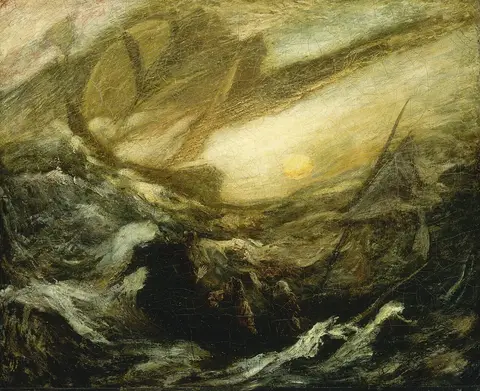
The Flying Dutchman
The ghost ship doomed to beat against the storms off the Cape of Good Hope forever – the sea’s most famous phantom, from sailors’ yarns to Wagner. Folklore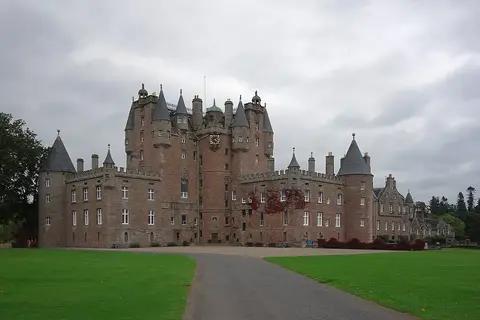
Glamis Castle
The Queen Mother’s childhood home, a turreted Scottish castle of secret rooms, a card-playing earl who gambled with the Devil, and the “Monster of Glamis.” Widely reported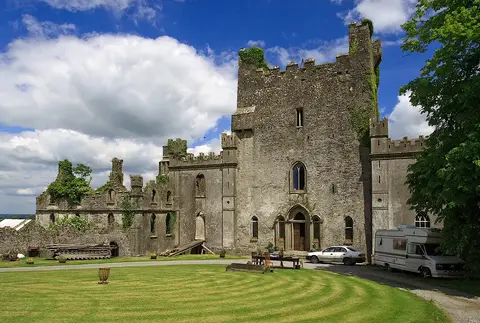
Leap Castle
An Irish midlands stronghold with a “Bloody Chapel,” an oubliette and a foul-smelling “elemental,” often billed as the world’s most haunted castle. Widely reported
Shadow People
Dark human-shaped figures glimpsed at the edge of sight or standing over the bed – and the sleep-paralysis research that explains many of them. Widely reportedThe Vanishing Hitchhiker
A driver picks up a young woman by the road; she gives an address, then vanishes from the car – a ghost story told in a thousand towns. Folklore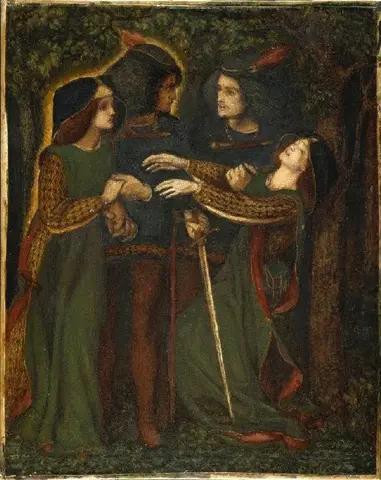
Doppelgänger
A ghostly double of a living person – an omen of death in folklore, a favourite of writers, and a real if rare experience neurologists can now explain. Folklore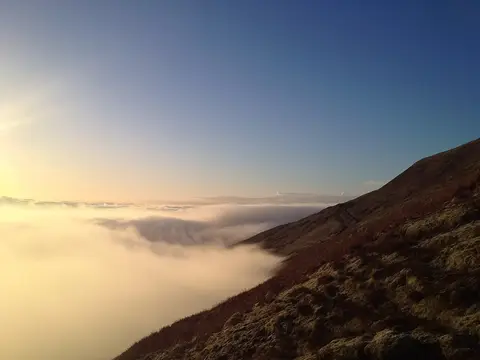
Pendle Hill and the Pendle Witches
A brooding Lancashire hill tied forever to the 1612 Pendle witch trials, when ten people were hanged — now a magnet for Halloween crowds and ghost hunters. Regional legend
Will-o’-the-Wisp
Pale flickering lights over marshes and bogs that lure travellers off the path – folklore’s ghost lights, and a puzzle chemists are still trying to solve. FolkloreBlack-Eyed Children
Pale children with solid black eyes who knock at night asking to be let in – a modern legend traced to one Texas journalist’s story in the 1990s. Folklore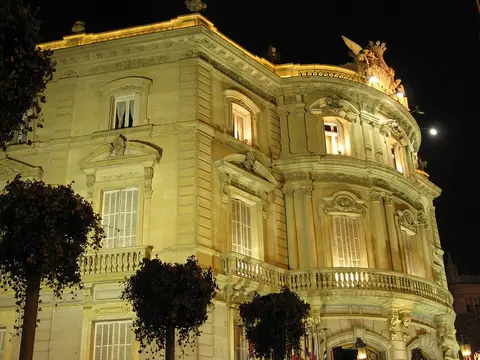
Palacio de Linares
A gilded palace on Madrid’s Plaza de Cibeles, said to be haunted by ‘Raimundita’, child of a forbidden marriage – a tale the records don’t support. Regional legend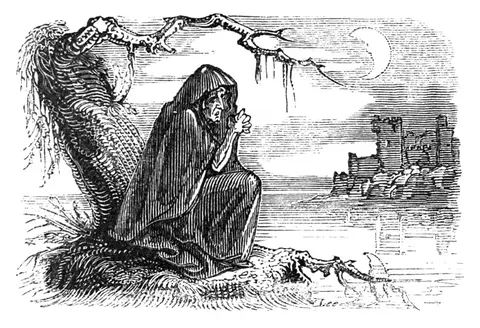
The Banshee
The “fairy woman” of Irish folklore whose keening cry at night warns an old family that one of its members is about to die — Ireland’s most famous spirit. Folklore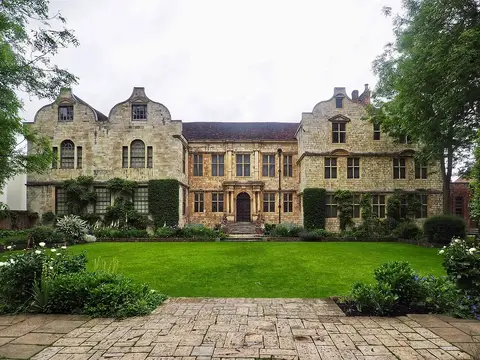
Treasurer’s House, York
In 1953 a young apprentice in this York house’s cellar said he watched a column of Roman soldiers march out of the wall — visible only from the knees up. Widely reported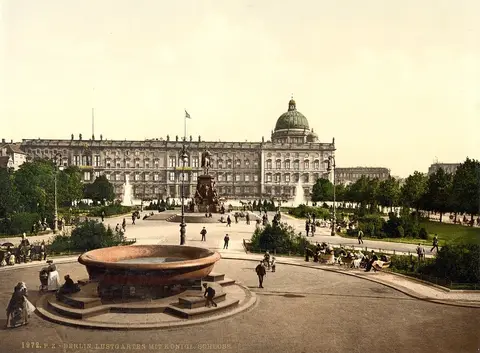
The White Lady of the Hohenzollerns
For four centuries a pale woman was said to appear in the palaces of Prussia’s ruling Hohenzollerns to announce a coming death in the family. Folklore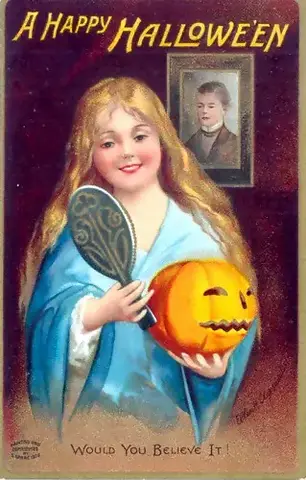
Bloody Mary
Say her name three times into a dark mirror and she will appear – the sleepover dare that folklorists trace to old Halloween divination rituals. Folklore
Gef the Talking Mongoose
In the 1930s an Isle of Man farm family said a chatty mongoose lived in their walls. Investigators heard a girl’s voice and found dog hair instead. Hoax / debunked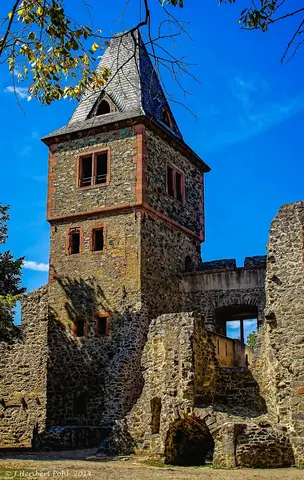
Castle Frankenstein
A medieval ruin above Darmstadt sold as the ‘real’ Frankenstein castle – a claim historians reject, though ghost hunters and Halloween crowds still come. Regional legend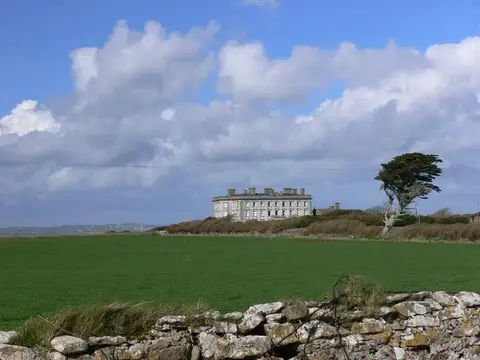
Loftus Hall
A lonely Wexford mansion where, legend says, a card-playing stranger with a cloven hoof vanished through the roof and left Anne Tottenham mad. Regional legendMore from Europe
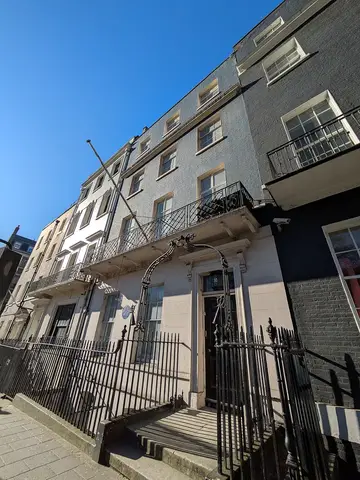 50 Berkeley SquareApparition · Mayfair, London, England
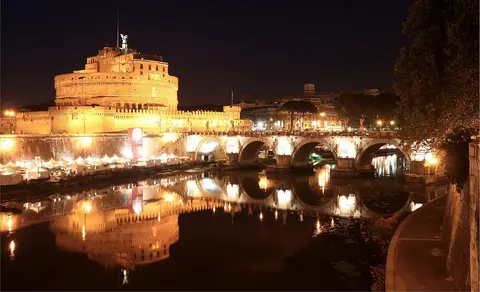 Beatrice Cenci and the Ponte Sant’AngeloApparition · Ponte Sant’Angelo, Rome
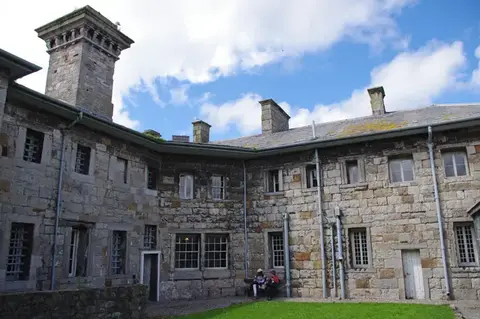 Beaumaris GaolOther · Beaumaris, Anglesey, Wales
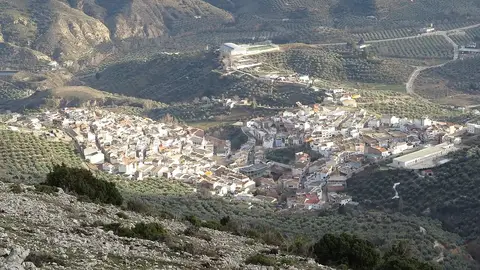 Bélmez FacesOther · Bélmez de la Moraleda, Jaén
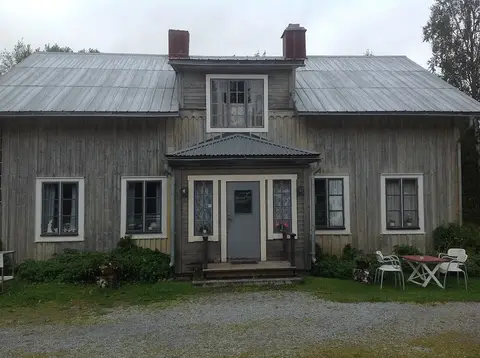 Borgvattnet VicarageApparition · Borgvattnet, Ragunda, Jämtland
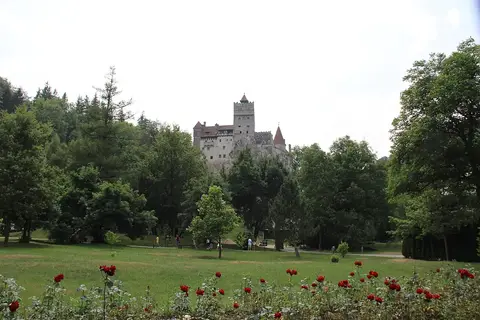 Bran CastleFolklore spirit · Bran, Brașov County, Transylvania
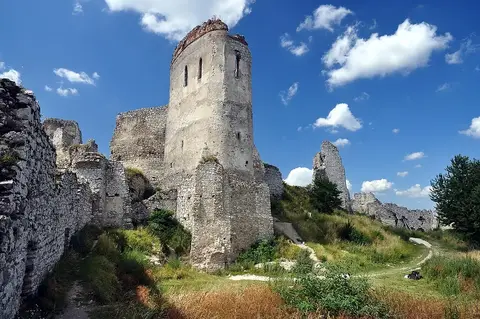 Čachtice CastleApparition · Čachtice, near Nové Mesto nad Váhom
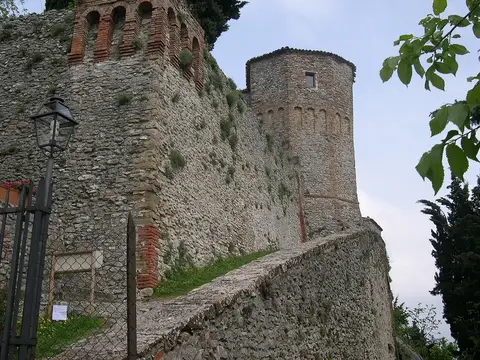 Castello di Montebello (Azzurrina)Apparition · Montebello di Torriana, Poggio Torriana, Rimini
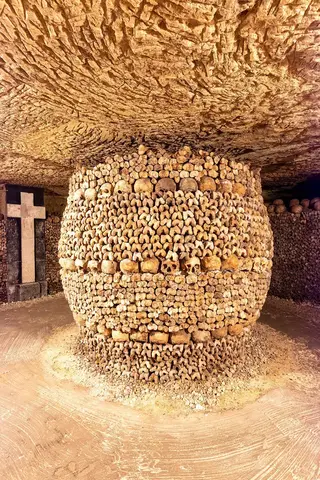 Catacombs of ParisApparition · Montparnasse (14th arrondissement), Paris
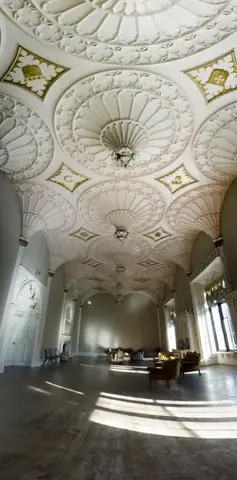 Charleville CastleApparition · Tullamore, County Offaly, Ireland
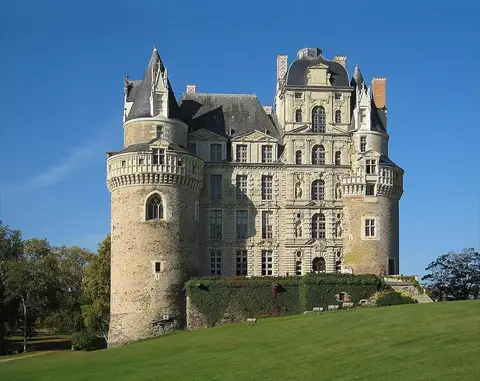 Château de BrissacApparition · Brissac-Quincé, Loire Valley
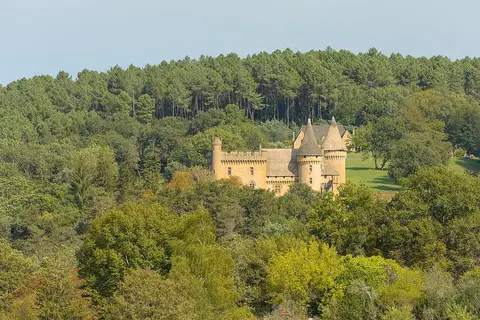 Château de PuymartinApparition · Marquay, near Sarlat-la-Canéda, Périgord
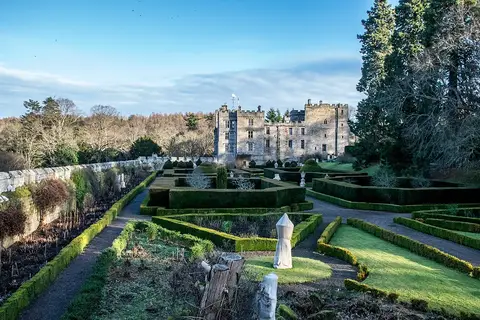 Chillingham CastleApparition · Chillingham, Northumberland, England
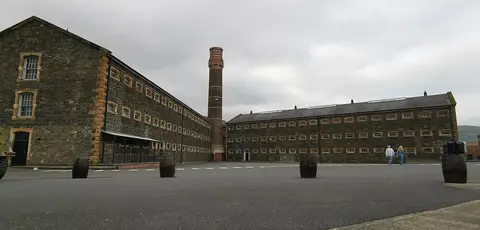 Crumlin Road GaolApparition · Crumlin Road, north Belfast, Northern Ireland
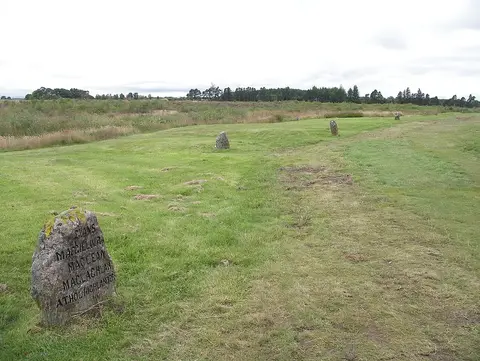 Culloden BattlefieldResidual haunting · Culloden Moor, near Inverness, Scotland
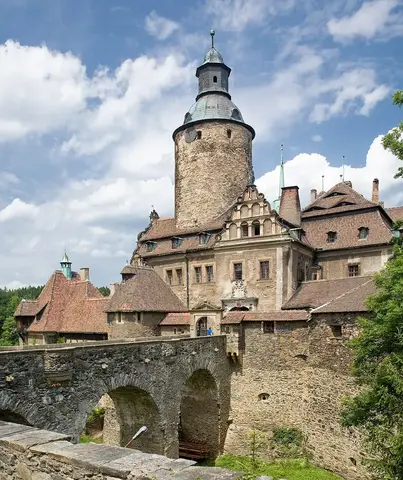 Czocha CastleApparition · Sucha, Gmina Leśna, Lower Silesia
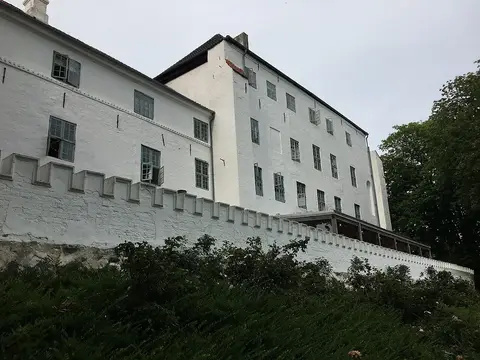 Dragsholm CastleApparition · Odsherred, northwest Zealand
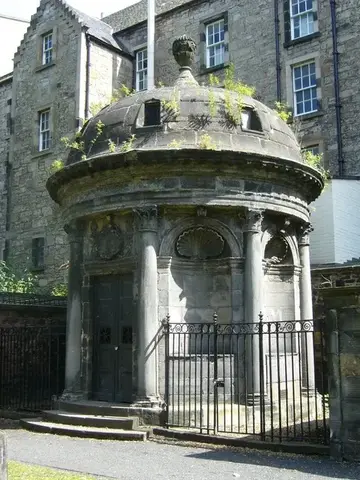 Greyfriars Kirkyard and the Mackenzie PoltergeistPoltergeist · Old Town, Edinburgh, Scotland
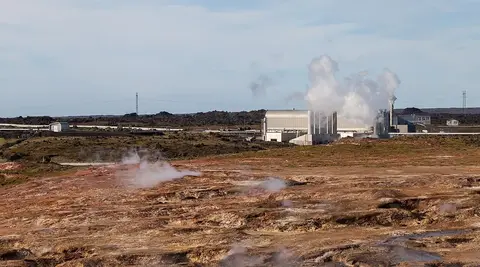 GunnuhverFolklore spirit · Reykjanes Peninsula, near Reykjanesviti
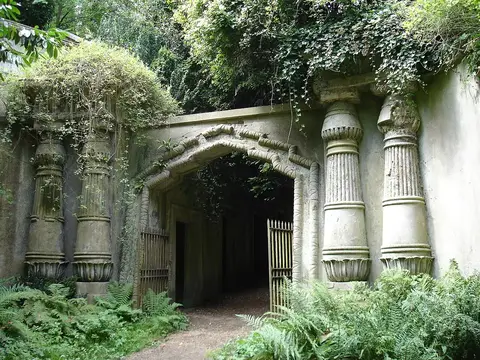 Highgate Cemetery and the Highgate VampireFolklore spirit · Highgate, north London, England
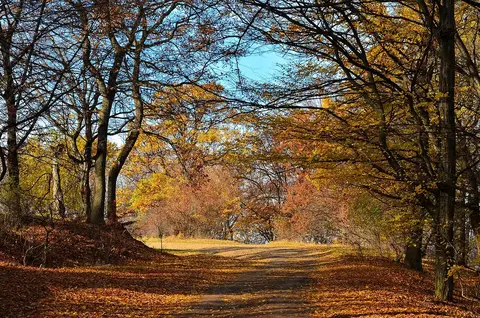 Hoia-Baciu ForestOther · Cluj-Napoca, Transylvania
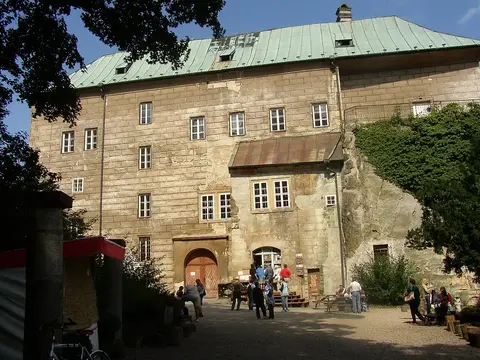 Houska CastleDemonic case · Blatce, Kokořínsko, north of Prague
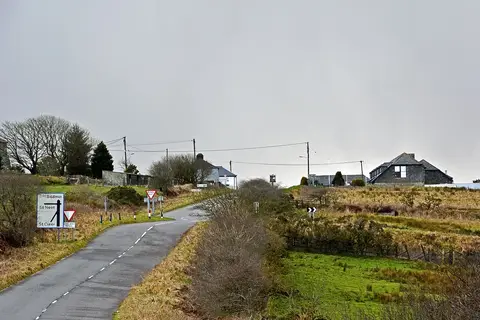 Jamaica InnApparition · Bolventor, Bodmin Moor, Cornwall, England
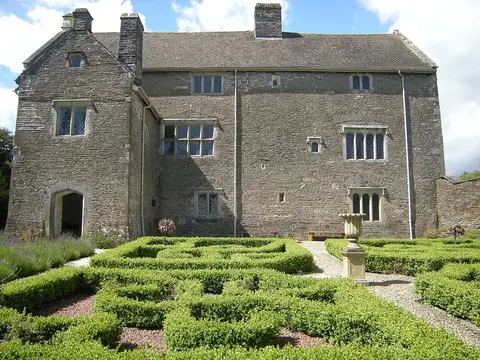 Llancaiach Fawr ManorApparition · Nelson, Caerphilly County Borough, Wales
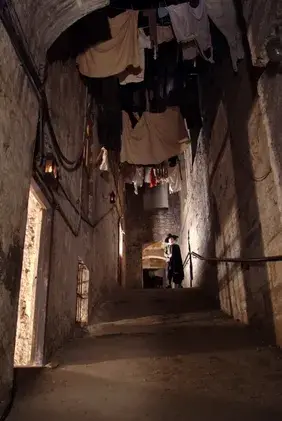 Mary King’s CloseApparition · Royal Mile, Edinburgh, Scotland
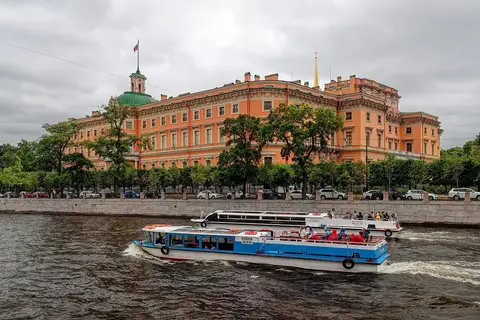 Mikhailovsky CastleApparition · Saint Petersburg
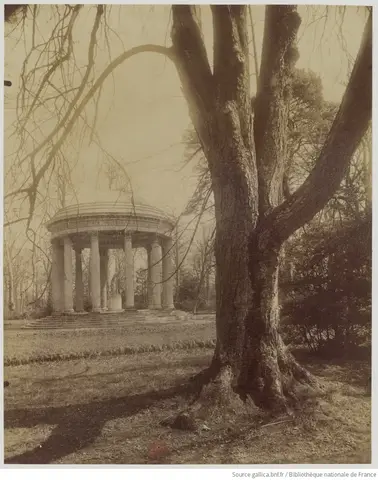 Petit Trianon, VersaillesResidual haunting · Versailles, near Paris
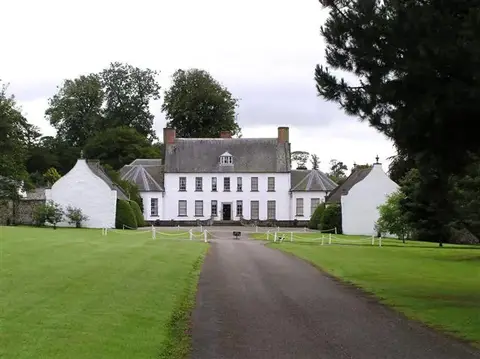 Springhill HouseApparition · Moneymore, County Londonderry, Northern Ireland
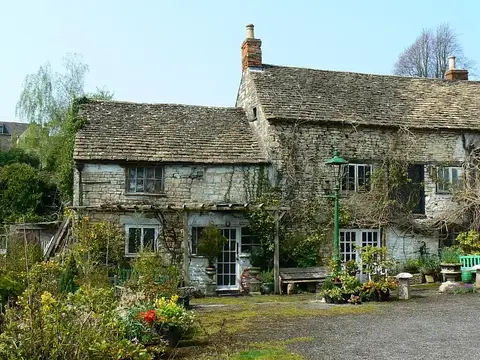 The Ancient Ram InnDemonic case · Wotton-under-Edge, Gloucestershire, England
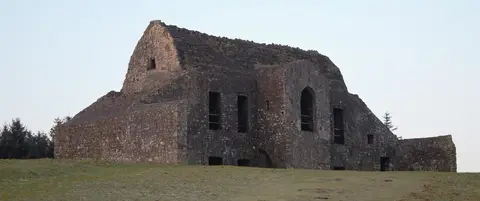 The Hellfire Club, Montpelier HillFolklore spirit · Montpelier Hill, Dublin Mountains, Ireland
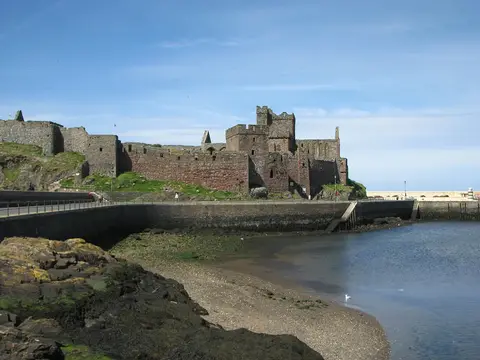 The Moddey Dhoo of Peel CastleFolklore spirit · St Patrick’s Isle, Peel, Isle of Man
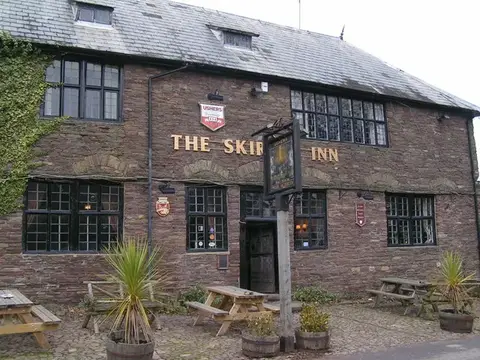 The Skirrid Mountain InnApparition · Llanvihangel Crucorney, Monmouthshire, Wales
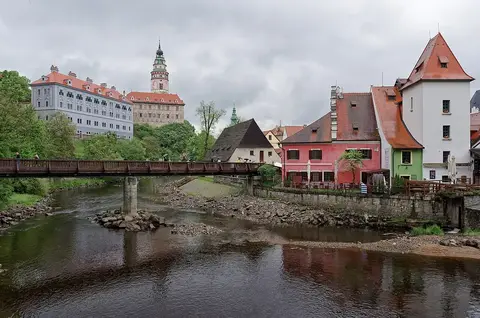 The White Lady of Rožmberk (Český Krumlov Castle)Apparition · Český Krumlov, South Bohemia
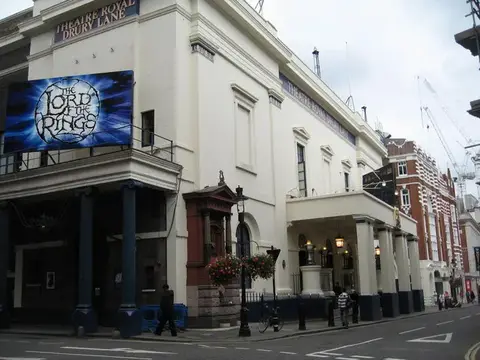 Theatre Royal, Drury LaneApparition · Covent Garden, London, England